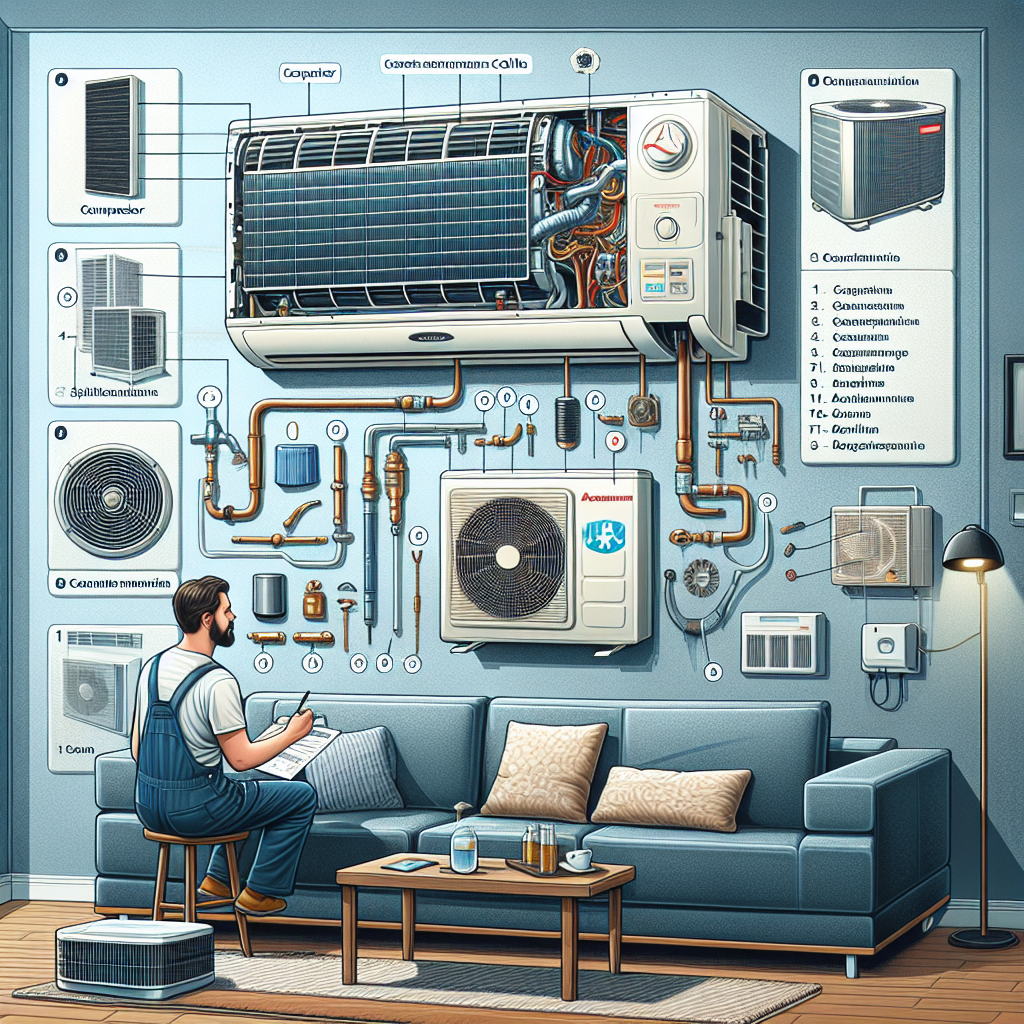
Split Unit Air Conditioning: Benefits, Installation, and Maintenance Tips
If you're looking for an efficient way to keep your home comfortable year-round, an air conditioning split unit might just be the solution you need. These versatile systems offer numerous benefits, from energy efficiency to quiet operation, making them ideal for both residential and commercial spaces. In this post, we'll explore the advantages of split air conditioners, guide you through choosing and installing the right model, and share essential maintenance tips to ensure your system runs smoothly for years to come. Whether you're considering a mini split system or a more complex multi-zone setup, we've got you covered!
Benefits of Air Conditioning Split Units
One of the primary advantages of an air conditioning split unit is its energy efficiency. These systems utilize inverter technology, which allows for variable speed compressors to adjust the cooling output based on the current needs of the space. This leads to significant energy savings compared to traditional HVAC systems that operate at a constant speed.
For instance, in a typical residential scenario, a split AC unit can reduce energy consumption by up to 30% when compared to conventional units. This is particularly beneficial during peak summer months when cooling demands are high, and energy costs can skyrocket.
Flexible Installation Options for Various Room Sizes
Split air conditioners offer flexible installation options that suit various room sizes and configurations. Unlike traditional systems that require extensive ductwork, ductless mini splits can be installed in hard-to-reach areas or spaces without existing ducts. Indoor air handlers can be wall-mounted or even recessed into ceilings, providing versatility in design and installation.
In practice, this means you can effectively cool or heat spaces like attics or converted garages where ductwork might be impractical. A compact indoor unit can easily blend into your decor while delivering efficient climate control.
Quiet Operation for Residential Comfort
Quiet operation is often touted as a key benefit of split AC units, and for good reason. The outdoor condenser unit operates separately from the indoor components, minimizing noise levels inside the home. Many models are designed to operate at sound levels comparable to a whisper.
This feature becomes especially valuable in residential settings where comfort matters—think bedrooms or home offices where noise distractions can impact daily life. However, not all models are created equal; some may still produce noticeable sounds during operation. Therefore, it's essential to consider the decibel rating when selecting a model.
Energy-efficient air conditioning split units not only lower electricity bills but also contribute to reducing your carbon footprint.
Choosing the Right Split Unit for Your Home
Selecting the appropriate air conditioning split unit is crucial for achieving optimal comfort and efficiency in your home. The first step is understanding the BTU requirements based on room size. Each space has different cooling needs that must be matched with the right unit capacity to avoid inefficiency or inadequate cooling.
Understanding BTU Requirements Based on Room Size
A common misjudgment is assuming that a larger unit equals better performance. In reality, an oversized unit can lead to short cycling, where the system cools too quickly and fails to dehumidify effectively. This can create an uncomfortable environment while wasting energy. On the other hand, a unit that's too small will struggle to cool adequately, leading to overworking and potential breakdowns.
- Measure your room dimensions accurately.
- Use a BTU calculator or consult HVAC guidelines to determine appropriate capacity.
- Consider factors like ceiling height and insulation when calculating.
Comparing Inverter vs. Non-Inverter Models
When choosing between inverter and non-inverter models, consider long-term energy savings versus upfront costs. Inverter technology allows for variable speed operation, meaning these units adjust their output based on current demand rather than operating at full capacity all the time. This results in lower energy bills but typically comes with a higher initial investment.
For example, a residential split AC equipped with inverter technology can reduce energy consumption by as much as 50% compared to traditional units during peak usage periods. While non-inverter models may have a lower purchase price, they could lead to higher operational costs over time due to constant cycling at maximum power.
Considering Additional Features Like Smart Controls
Additional features like smart controls can enhance convenience and efficiency in managing your home climate control system. Units that offer Wi-Fi connectivity allow you to monitor and adjust settings remotely through smartphone apps, leading to more effective management of energy use.
Investing in smart technology can lead to additional savings through optimized usage patterns.
Installation Process of Split Units
Installing an air conditioning split unit requires precision and knowledge of both the system and the space it's meant to serve. Professional installation is often recommended, particularly for multi-zone split systems, as it ensures proper setup of refrigerant lines and electrical connections, which are crucial for optimal performance.
Steps Involved in Professional Installation by Lehigh Valley HVAC Pros
The installation typically begins with a site assessment, where technicians evaluate the space to determine the best locations for both the indoor air handler and the outdoor condenser unit. Next, they install mounting brackets for the indoor unit and drill holes for refrigerant lines. These lines connect to the outdoor unit, which must be placed on a stable surface to avoid vibrations that can affect performance.
- Ensure all electrical requirements meet local codes before connecting power.
- Insulate refrigerant lines properly to prevent energy loss.
- Test the system for leaks and ensure proper refrigerant levels after installation.
Important Considerations for Optimal Placement
Placement is critical for maximizing efficiency. The indoor unit should be located where airflow can effectively circulate through the room without obstruction from furniture or walls. The outdoor unit needs adequate clearance around it to facilitate air intake, which prevents overheating. A common misstep is installing units too close to landscaping features that can obstruct airflow or create moisture issues.
Proper placement not only impacts cooling efficiency but also prolongs system life by reducing strain on components.
Common Mistakes to Avoid During DIY Installations
DIY mini split installation may seem like a cost-saving option, but it often leads to mistakes that can negate any initial savings. One frequent error is incorrect sizing; using a unit that doesn’t match the room's BTU requirement leads to inefficiency and discomfort. Additionally, improperly sealed connections in refrigerant lines can result in leaks, diminishing cooling capacity and increasing energy consumption.
In practice, consider a scenario where a homeowner attempts a DIY installation without fully understanding local codes or electrical requirements. This not only risks safety but may also void warranties if not executed correctly. Ultimately, while DIY installations might offer upfront savings, they could lead to larger expenses down the line due to inefficient operation or potential damage.
Maintenance Tips for Air Conditioning Split Units
Regular maintenance of an air conditioning split unit is essential for ensuring optimal performance and longevity. One of the simplest and most effective practices is the routine cleaning or replacement of filters. Clogged filters restrict airflow, forcing the system to work harder, which can lead to higher energy consumption and increased wear on components.
Regular Cleaning of Filters to Ensure Efficiency
Cleaning filters every month during peak usage seasons can significantly improve efficiency. For example, a homeowner who neglects this task might experience a 15% drop in cooling efficiency, leading to higher electricity bills and discomfort during hot weather. To maintain air quality and system efficiency, it's advisable to check the filters monthly and replace or clean them as needed.
Scheduling Annual Professional Inspections with Lehigh Valley HVAC Pros
While DIY maintenance is important, scheduling annual inspections with professionals like Lehigh Valley HVAC Pros cannot be overlooked. These inspections provide an opportunity for technicians to identify potential issues before they escalate into costly repairs. A typical inspection includes checking refrigerant levels, inspecting electrical connections, and testing the overall functionality of the system.
- Inspect refrigerant lines for leaks or damage.
- Ensure electrical connections are secure and safe.
- Clean outdoor condenser units of debris or obstructions.
Signs That Indicate When Repairs Are Needed
Ignoring warning signs can lead to more significant problems down the line. Unusual noises such as grinding or hissing often indicate mechanical issues that require immediate attention. Additionally, if you notice fluctuating temperatures in your home or increased energy bills without a change in usage patterns, these could be indicators that your split AC unit needs repair.
Addressing minor issues promptly can prevent them from turning into major repairs.
Cost Considerations for Split Unit Systems
When evaluating the cost of an air conditioning split unit, you must consider both the initial investment and the potential long-term savings on energy bills. While the upfront costs of purchasing and installing a split AC unit can be higher than traditional systems, especially when factoring in professional installation, these units often pay for themselves over time through reduced energy consumption.
For instance, a residential split AC unit may have a higher sticker price, but its energy-efficient operation can lead to savings of up to 40% on monthly electricity bills compared to older systems. Over several years, these savings can offset the initial costs significantly. However, it's essential to analyze your specific situation—such as local electricity rates and how often you use cooling—to determine if this investment makes sense for you.
Initial Investment Versus Long-Term Savings on Energy Bills
The decision between a lower-priced unit and a high-efficiency model often boils down to how long you plan to stay in your home. For homeowners planning to remain for many years, investing in a high-efficiency split system with inverter technology is typically advisable. This technology allows units to adjust cooling output based on demand rather than running at full capacity constantly.
In contrast, if you're looking at short-term living situations or rental properties, sticking with a more affordable option might be more practical despite potentially higher operational costs. Balancing initial costs against future utility expenses requires careful consideration of your specific needs and circumstances.
Potential Financing Options Available Through Lehigh Valley HVAC Pros
Many HVAC providers offer financing options that can ease the burden of upfront costs associated with purchasing an air conditioning split unit. Lehigh Valley HVAC Pros typically provides various plans that allow homeowners to spread payments over time while enjoying immediate comfort benefits.
'For example, some financing plans come with low or zero-interest options for qualified buyers. This means that you can install an efficient system now while managing payments over several months or even years without accruing significant interest.
- Flexible payment plans tailored to your budget.
- $0 down financing options available for qualified customers.
- $300-$500 rebates offered on select high-efficiency models.
Understanding Warranties and Service Plans
Investing in an air conditioning split unit also involves understanding warranties and service plans provided by manufacturers or installers. A comprehensive warranty not only covers parts but may also include labor for repairs during the warranty period. It's crucial to read the fine print; some warranties require regular maintenance by certified professionals to remain valid.
For example, if you buy a split AC with a ten-year warranty but neglect annual professional inspections as stipulated by the warranty terms, you risk voiding it entirely. This could lead to unexpected repair costs later on that would negate any savings achieved through an energy-efficient system.
Always verify warranty details before making your purchase; knowing what is covered can save you money in the long run.