Choosing the right hvac contractor in Lehigh and Northampton counties directly affects comfort, energy bills, and whether your installation meets local permit and rebate requirements. This short, practical guide gives a step by step framework to vet and compare bids, verify credentials like NATE and EPA Section 608, and insist on itemized estimates, Manual J sizing, and clear warranty terms. Use the checklists and phone and on site questions that follow to hire with confidence and avoid common costly mistakes.
1. Clarify Your Project Scope before You Call Contractors
Start with a crisp project statement. Decide up front whether you want a repair, a full replacement, or routine maintenance and describe the specific outcome you care about — lower monthly bills, quieter operation, better indoor air quality, or converting to a heat pump. That short statement is the baseline every hvac contractor will use to scope a site visit and produce a comparable bid.
What to gather before you call
- System basics: brand, model number, age, and last service date (take photos of the nameplate and serial number).
- Symptoms and timing: describe when problems occur, error codes, and any recent changes in performance or bills.
- Site constraints: attic or crawlspace access, narrow HVAC closets, historic-home restrictions, or existing ductwork condition.
- Budget and schedule: a realistic price range and acceptable start window—contractors price and plan differently for emergency versus planned work.
Practical tradeoff to acknowledge. If your system is more than ten years old and needs a major component like a compressor or heat exchanger, repairs can be a short-term bandage. Expect vendors to push both repair and replacement options; weigh the immediate outlay against projected operating cost savings, warranty differences, and whether the house qualifies for rebates or heat pump incentives. Local rebates can flip the math, so note that when you set your budget.
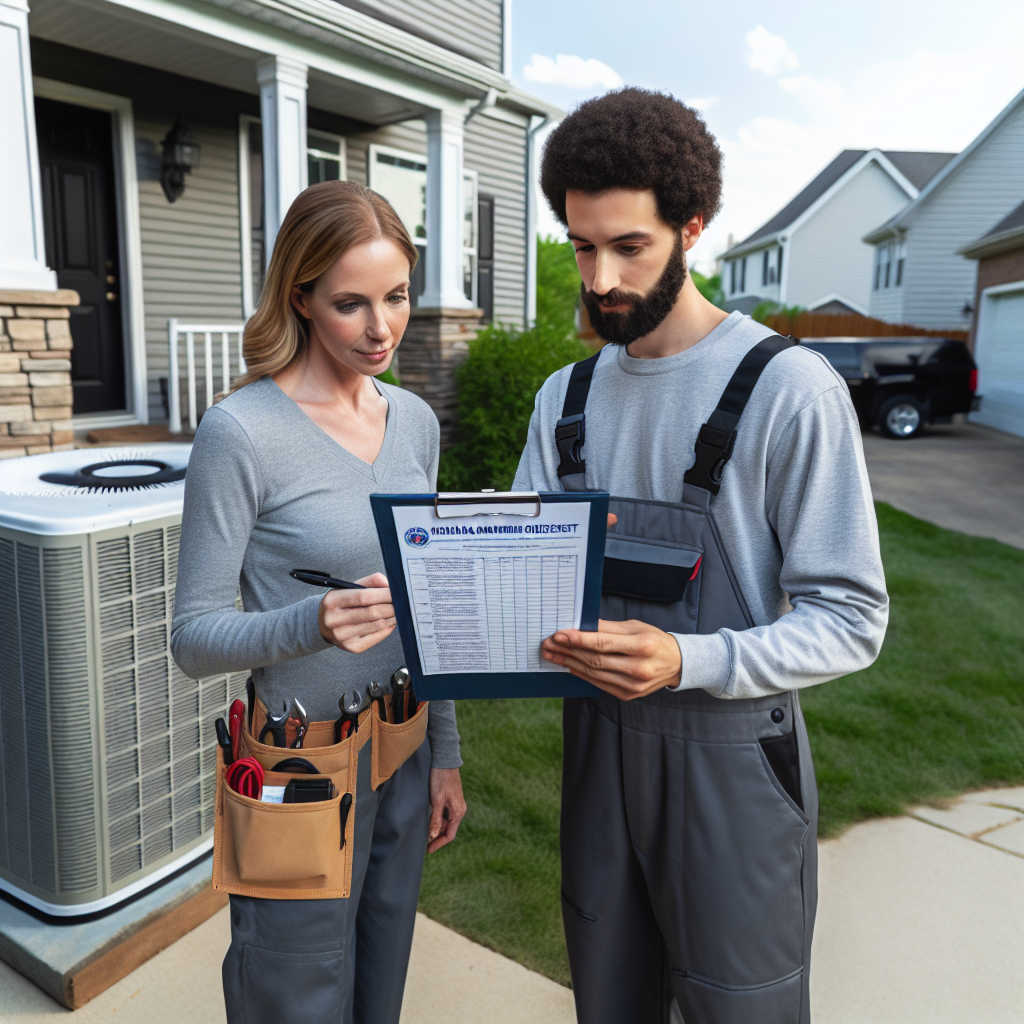
Concrete Example: A homeowner in Allentown with a 12-year-old central AC reported warm rooms and a rising electric bill. They photographed the outdoor unit nameplate and notes about monthly bills, then asked for quotes for both an ac repair (compressor rebuild estimate) and an ac installation replacement with a high-efficiency unit. The two clear, written scopes made it obvious the replacement paid back faster once a PPL rebate and higher SEER efficiency were included.
What to tell the contractor on first contact. Lead with the project statement, mention the system details you collected, and be explicit about constraints and timeline. Ask whether they offer on-site estimates and if those visits include a basic load check or duct assessment. This separates contractors who do cursory quotes from those who plan proper proposals.
Next consideration. Once you have this scope and documentation, request written, itemized estimates from at least two local contractors and include a link to your needs when you book: HVAC Lehigh Valley services. That keeps bids comparable and puts you in control of the conversation.
Frequently Asked Questions
Straight answer up front: the questions below are the ones that actually change outcomes — not theoretical specs. Focus on verification, written proof, and realistic timelines; those three separate competent contractors from those who cost you time and money.
Questions homeowners ask that matter
Question: How do I confirm a contractor is licensed and insured in Lehigh or Northampton County? Request a certificate of insurance and the insurer contact; call the insurer to confirm the policy is active and covers the limits listed. Then check business registration and any complaints through Better Business Bureau and county or Pennsylvania state contractor portals. If a contractor hesitates to provide a COI, walk away.
Question: What proof should I demand for proper sizing and selection? Ask for a Manual J PDF and the matching equipment selection report such as Manual S or equivalent. Practical trade-off: producing a Manual J takes time and sometimes a site visit, which costs a little up front but saves money and comfort problems later. Accepting rule-of-thumb sizing is a false economy.
Question: Is the lowest bid a good deal? No. Low bids frequently omit meaningful work: proper duct repairs, correct refrigerant charge, commissioning, or a workmanship warranty. Compare life-cycle costs and warranty terms, not just sticker price. A slightly higher bid with a documented commissioning report usually pays off in lower bills and fewer callbacks.
Question: I need same-day AC or emergency HVAC repair — what should I expect? Same-day service solves immediate failures but often only provides a diagnostic and temporary fix. Expect a premium for emergency availability; insist on a written follow-up scope and price before approving a full replacement. If you value thorough work over speed, schedule a planned visit for the full estimate and Manual J.
Question: Which technician certifications actually matter? Confirm technicians have EPA Section 608 for refrigerant handling and look for NATE certification as a practical signal of trained staff. Also verify any factory dealer status for the brand you plan to buy; manufacturer-backed installers matter for extended warranties. Check NATE and EPA Section 608 for verification pointers.
Concrete Example: A Bethlehem homeowner accepted a same-day ac repair to stop a summer outage. The emergency repair fixed the immediate fault, but the contractor documented an undersized condenser and recommended replacement with written estimates. Because the homeowner required a Manual J before replacement, the final installed unit matched the house load and avoided a second-season comfort complaint.
Ask for three things on every estimate: a Certificate of Insurance, the Manual J/PDF, and explicit warranty terms with contact procedures.
- Three-step next actions: Photograph equipment nameplates and recorded bills so you have facts to share with bidders.
- Request in writing: a COI, a
Manual JPDF, and an itemized estimate that lists labor, parts, permits, and warranty durations. - Shop smart: get at least three line-item bids, verify two local references, and confirm whether the contractor will handle rebates and permitting before you sign.
- Protect future value: register manufacturer warranties and book an initial tune-up on a maintenance plan such as the one at HVAC Lehigh Valley maintenance plans.