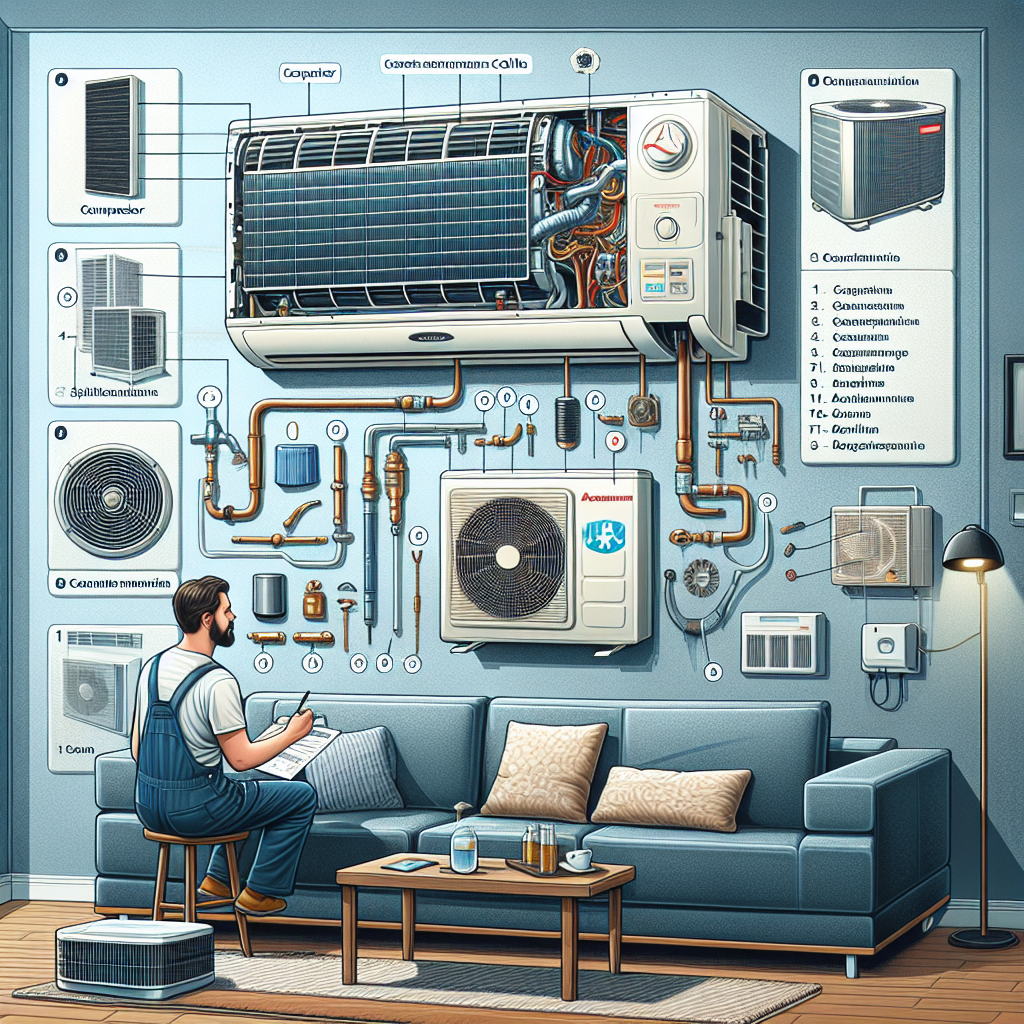
Quick Air Conditioning Service Calls: Get Your AC Fixed Today
Understanding the Air Conditioning Service Call Process
Picture this: it’s a sweltering July afternoon, and your air conditioning unit decides to take an unscheduled vacation. You’re left sweating like a popsicle in the sun, and the thought of calling for an air conditioning service call feels daunting. The good news? Understanding this process can turn what seems like a nightmare into a breeze.
First off, let’s break down what happens when you make that dreaded phone call. Spoiler alert: it’s not as scary as it sounds!
The Initial Call
When you pick up the phone to call your local HVAC pro, be prepared to provide some key details. You’ll want to share information like:
– Your home address
– The model of your AC unit (if you have it handy)
– A brief description of the problem (e.g., It’s blowing hot air! or It makes weird noises!)
This helps the technician understand what they might be dealing with before they even arrive.
Scheduling the Visit
Once you’ve described your plight, it’s time to schedule that service visit. Most companies will offer same-day or next-day appointments—because let’s face it, no one wants to sweat through another night without AC.
So don’t feel bad; you’re not alone!
The Technician Arrives
Picture this: it’s a sweltering July afternoon, and your air conditioning unit decides to take an unscheduled vacation. You’re left sweating like a popsicle in the sun, and the thought of calling for an air conditioning service call feels daunting. The good news? Understanding this process can turn what seems like a nightmare into a breeze.
First off, let’s break down what happens when you make that dreaded phone call. Spoiler alert: it’s not as scary as it sounds!
The Initial Call
When you pick up the phone to call your local HVAC pro, be prepared to provide some key details. You’ll want to share information like:
– Your home address
– The model of your AC unit (if you have it handy)
– A brief description of the problem (e.g., It’s blowing hot air! or It makes weird noises!)
This helps the technician understand what they might be dealing with before they even arrive.
Scheduling the Visit
Once you’ve described your plight, it’s time to schedule that service visit. Most companies will offer same-day or next-day appointments—because let’s face it, no one wants to sweat through another night without AC.
So don’t feel bad; you’re not alone!
The Technician Arrives
Identifying Symptoms That Require Immediate Attention
Imagine this: you’re lounging on your couch, ice-cold lemonade in hand, when suddenly your air conditioning unit starts making a sound that resembles a dying cat. Not exactly the serene summer day you had in mind, right? It’s crucial to recognize these signs early on before your AC turns into a full-blown drama queen.
Unusual Noises
If your air conditioning system is serenading you with odd noises—think grinding, squealing, or rattling—this is not the time to ignore it. These sounds can indicate everything from loose components to a failing motor. The longer you wait, the more likely it is that you'll need an expensive air conditioning service call.
Inconsistent Temperatures
Is one room frigid while another feels like a sauna? Inconsistent temperatures can signal issues with your ductwork or even a malfunctioning thermostat. If you're sweating in one corner and freezing in another, it’s time to call for help. Trust me; this isn’t just an annoying quirk—it could lead to more significant problems down the line.
Foul Odors
What’s that smell? If your AC starts emitting odors reminiscent of moldy socks or burnt toast, don’t just plug your nose and hope for the best. These scents can be indicators of electrical issues or even mold growth within your unit. Either way, you’ll want to get an air conditioning service call scheduled ASAP.
Key takeaway: Ignoring these symptoms can lead to costly repairs down the road.
Water Leaks
Oh no, is that water pooling under my AC unit? Water leaks can be a sign of clogged drains or refrigerant issues. Not only does this create a mess, but it could also lead to water damage in your home. If you spot any leaks, don’t delay; reach out for an air conditioning service call immediately.
So what should I do next? Keep an eye (and ear) out for these symptoms and don’t hesitate to reach out if something feels off with your AC unit. A quick service call today can keep you cool tomorrow!
Imagine this: you’re lounging on your couch, ice-cold lemonade in hand, when suddenly your air conditioning unit starts making a sound that resembles a dying cat. Not exactly the serene summer day you had in mind, right? It’s crucial to recognize these signs early on before your AC turns into a full-blown drama queen.
Unusual Noises
If your air conditioning system is serenading you with odd noises—think grinding, squealing, or rattling—this is not the time to ignore it. These sounds can indicate everything from loose components to a failing motor. The longer you wait, the more likely it is that you'll need an expensive air conditioning service call.
Inconsistent Temperatures
Is one room frigid while another feels like a sauna? Inconsistent temperatures can signal issues with your ductwork or even a malfunctioning thermostat. If you're sweating in one corner and freezing in another, it’s time to call for help. Trust me; this isn’t just an annoying quirk—it could lead to more significant problems down the line.
Foul Odors
What’s that smell? If your AC starts emitting odors reminiscent of moldy socks or burnt toast, don’t just plug your nose and hope for the best. These scents can be indicators of electrical issues or even mold growth within your unit. Either way, you’ll want to get an air conditioning service call scheduled ASAP.
Key takeaway: Ignoring these symptoms can lead to costly repairs down the road.
Water Leaks
Oh no, is that water pooling under my AC unit? Water leaks can be a sign of clogged drains or refrigerant issues. Not only does this create a mess, but it could also lead to water damage in your home. If you spot any leaks, don’t delay; reach out for an air conditioning service call immediately.
So what should I do next? Keep an eye (and ear) out for these symptoms and don’t hesitate to reach out if something feels off with your AC unit. A quick service call today can keep you cool tomorrow!
Preparing for a Service Call: Essential Information to Provide
Here's a reality check: over 70% of HVAC technicians report that they arrive at service calls unprepared due to missing information from the homeowner. That’s like showing up to a potluck without your famous casserole—awkward and disappointing!
When you make that air conditioning service call, think of it as preparing for a first date. You wouldn’t show up without knowing where you’re going or what you’re wearing, right? The same goes for your AC technician. The more information you provide, the smoother the appointment will go.
Key Details to Share
Let’s break down the essential information you should have ready when calling for that much-needed service:
- Your full address and any specific gate codes or entry instructions.
- The make and model of your air conditioning unit—this helps technicians bring the right tools and parts.
- A detailed description of the problem you're experiencing (e.g., The AC is blowing warm air or It keeps shutting off).
- Any previous maintenance history or repairs done on the unit, if applicable.
Be Ready for Follow-Up Questions
So, how long has this been happening? Expect this question and others like it. Your technician will want to gather as much context as possible to diagnose effectively. Think about things like:
- When did you first notice the issue? This helps establish whether it’s a sudden breakdown or an ongoing problem.
- Have there been any recent power outages or storms? External factors can impact your system's performance.
- Is there anything unusual happening with your thermostat? Knowing if it's acting weird can save time.
The more details you provide, the quicker you'll get back to enjoying cool air!
What If You Don’t Have All This Info?
In conclusion, preparing for an air conditioning service call doesn’t have to be stressful. Just gather some key details, be open about what’s going on with your system, and let the pros do their magic. A little prep work goes a long way in ensuring you get back to cool comfort without unnecessary delays!
Here's a reality check: over 70% of HVAC technicians report that they arrive at service calls unprepared due to missing information from the homeowner. That’s like showing up to a potluck without your famous casserole—awkward and disappointing!
When you make that air conditioning service call, think of it as preparing for a first date. You wouldn’t show up without knowing where you’re going or what you’re wearing, right? The same goes for your AC technician. The more information you provide, the smoother the appointment will go.
Key Details to Share
Let’s break down the essential information you should have ready when calling for that much-needed service:
- Your full address and any specific gate codes or entry instructions.
- The make and model of your air conditioning unit—this helps technicians bring the right tools and parts.
- A detailed description of the problem you're experiencing (e.g., The AC is blowing warm air or It keeps shutting off).
- Any previous maintenance history or repairs done on the unit, if applicable.
Be Ready for Follow-Up Questions
So, how long has this been happening? Expect this question and others like it. Your technician will want to gather as much context as possible to diagnose effectively. Think about things like:
- When did you first notice the issue? This helps establish whether it’s a sudden breakdown or an ongoing problem.
- Have there been any recent power outages or storms? External factors can impact your system's performance.
- Is there anything unusual happening with your thermostat? Knowing if it's acting weird can save time.
The more details you provide, the quicker you'll get back to enjoying cool air!
What If You Don’t Have All This Info?
In conclusion, preparing for an air conditioning service call doesn’t have to be stressful. Just gather some key details, be open about what’s going on with your system, and let the pros do their magic. A little prep work goes a long way in ensuring you get back to cool comfort without unnecessary delays!
Evaluating the Cost of Quick Service Calls
Ever been hit with an unexpected bill after a quick air conditioning service call? You’re not alone. Many homeowners are shocked to discover that what seemed like a minor issue can lead to hefty repair costs. The truth is, understanding the costs involved in these calls can save you from financial headaches later.
Let’s break it down. Imagine you’re a small business owner running a cozy café in Lehigh Valley. One hot summer day, your AC unit starts blowing hot air, and you know you need help fast. You make that call, and while the technician arrives promptly, you soon find out that the repairs will cost more than your last espresso machine! What gives?
Factors Influencing Service Call Costs
Several factors can influence the final price tag of an air conditioning service call. Here are some of the big players:
- 1. Type of Repair Needed: Simple fixes like replacing a capacitor might cost less than major repairs such as compressor replacement.
- 2. Time of Year: During peak summer months, prices may surge due to high demand.
- 3. Location: If you're in a remote area or far from your HVAC provider's base, travel fees might be added.
- 4. Service Call Fees: Many companies charge a flat fee just for showing up—this can range from to 0 depending on your region.
Understanding Diagnostic Fees
Diagnostic fees sound fancy but really just mean the cost for the technician to figure out what’s wrong with your unit before any repairs are made. This fee is often separate from repair costs and can be anywhere from to 0.
Important Note: Always ask if diagnostic fees will be applied toward repair costs if you decide to go ahead with the service!**
Quick Fix vs Long-Term Solution
Quick fixes may seem appealing when you're desperate for cool air, but they often lead to more problems down the line—and more costs! For instance, if your technician recommends replacing a worn-out part instead of just patching it up temporarily, consider it an investment in longevity.
So how do you evaluate whether that service call is worth it? Ask yourself these questions: Is this issue recurring? Am I risking bigger problems by ignoring it? Remember, investing in proper maintenance can keep those surprise bills at bay!
Ultimately, being informed about potential costs and understanding what goes into those charges will empower you as a homeowner. Next time that AC unit starts acting up, you'll know exactly what you're getting into—and hopefully avoid any sticker shock!
Ever been hit with an unexpected bill after a quick air conditioning service call? You’re not alone. Many homeowners are shocked to discover that what seemed like a minor issue can lead to hefty repair costs. The truth is, understanding the costs involved in these calls can save you from financial headaches later.
Let’s break it down. Imagine you’re a small business owner running a cozy café in Lehigh Valley. One hot summer day, your AC unit starts blowing hot air, and you know you need help fast. You make that call, and while the technician arrives promptly, you soon find out that the repairs will cost more than your last espresso machine! What gives?
Factors Influencing Service Call Costs
Several factors can influence the final price tag of an air conditioning service call. Here are some of the big players:
- 1. Type of Repair Needed: Simple fixes like replacing a capacitor might cost less than major repairs such as compressor replacement.
- 2. Time of Year: During peak summer months, prices may surge due to high demand.
- 3. Location: If you're in a remote area or far from your HVAC provider's base, travel fees might be added.
- 4. Service Call Fees: Many companies charge a flat fee just for showing up—this can range from $50 to $150 depending on your region.
Understanding Diagnostic Fees
Diagnostic fees sound fancy but really just mean the cost for the technician to figure out what’s wrong with your unit before any repairs are made. This fee is often separate from repair costs and can be anywhere from $75 to $200.
Important Note: Always ask if diagnostic fees will be applied toward repair costs if you decide to go ahead with the service!**
Quick Fix vs Long-Term Solution
Quick fixes may seem appealing when you're desperate for cool air, but they often lead to more problems down the line—and more costs! For instance, if your technician recommends replacing a worn-out part instead of just patching it up temporarily, consider it an investment in longevity.
So how do you evaluate whether that service call is worth it? Ask yourself these questions: Is this issue recurring? Am I risking bigger problems by ignoring it? Remember, investing in proper maintenance can keep those surprise bills at bay!
Ultimately, being informed about potential costs and understanding what goes into those charges will empower you as a homeowner. Next time that AC unit starts acting up, you'll know exactly what you're getting into—and hopefully avoid any sticker shock!
Post-Service Considerations: Maintaining Your AC System
Imagine this: you just had a technician over for an air conditioning service call, and your unit is humming along like a well-oiled machine. But here’s the kicker—without proper maintenance, that sweet relief could be short-lived. In fact, studies show that regular maintenance can extend your AC unit's lifespan by up to 30%!
So, what does it take to keep your AC system in tip-top shape after the pros have left? Let’s break down some essential post-service considerations that can save you from future headaches—and potentially hefty repair bills.
Regular Filter Changes
First things first: let’s talk about air filters. These little guys are crucial for maintaining good airflow and keeping your system efficient. A clogged filter can force your AC to work overtime, leading to breakdowns and higher energy bills. The general rule of thumb? Change or clean your filters every one to three months, depending on usage and the type of filter you have.
Pro Tip: If you have pets or live in a dusty area, consider checking those filters monthly!
Keep the Outdoor Unit Clear
Your outdoor unit is like the unsung hero of your cooling system. It works hard to dissipate heat, so give it some space! Make sure there are no obstructions—like leaves, dirt, or even those pesky garden gnomes—within at least two feet of the unit. This ensures optimal airflow and efficiency.
But what if I live in a wooded area? you ask. Well, consider installing a protective cover during off-seasons to shield it from debris while still allowing for ventilation.
Schedule Annual Maintenance
Annual maintenance? Isn’t that just an added expense? Not quite! Think of it as an investment in peace of mind. Scheduling an annual check-up with your HVAC technician can catch potential issues before they escalate into costly repairs. During these visits, technicians will clean coils, check refrigerant levels, and ensure everything is running smoothly.
DIY Maintenance Tips
Feeling handy? There are simple tasks you can do yourself! Clean around the outdoor unit regularly—remove any debris or vegetation that might block airflow. Also, keep an eye on drain lines; if they’re clogged, clear them out with a wet/dry vacuum or call in the pros if you're unsure.
- Check thermostat settings regularly.
- Inspect insulation on refrigerant lines.
- Make sure vents are unobstructed by furniture or decor.
In conclusion, maintaining your AC system post-service isn’t just about enjoying cool air today; it’s about ensuring comfort for many summers to come. So roll up those sleeves and get proactive! With these simple steps, you'll be well on your way to keeping that chill vibe alive—and who doesn’t want that?
Imagine this: you just had a technician over for an air conditioning service call, and your unit is humming along like a well-oiled machine. But here’s the kicker—without proper maintenance, that sweet relief could be short-lived. In fact, studies show that regular maintenance can extend your AC unit's lifespan by up to 30%!
So, what does it take to keep your AC system in tip-top shape after the pros have left? Let’s break down some essential post-service considerations that can save you from future headaches—and potentially hefty repair bills.
Regular Filter Changes
First things first: let’s talk about air filters. These little guys are crucial for maintaining good airflow and keeping your system efficient. A clogged filter can force your AC to work overtime, leading to breakdowns and higher energy bills. The general rule of thumb? Change or clean your filters every one to three months, depending on usage and the type of filter you have.
Pro Tip: If you have pets or live in a dusty area, consider checking those filters monthly!
Keep the Outdoor Unit Clear
Your outdoor unit is like the unsung hero of your cooling system. It works hard to dissipate heat, so give it some space! Make sure there are no obstructions—like leaves, dirt, or even those pesky garden gnomes—within at least two feet of the unit. This ensures optimal airflow and efficiency.
But what if I live in a wooded area? you ask. Well, consider installing a protective cover during off-seasons to shield it from debris while still allowing for ventilation.
Schedule Annual Maintenance
Annual maintenance? Isn’t that just an added expense? Not quite! Think of it as an investment in peace of mind. Scheduling an annual check-up with your HVAC technician can catch potential issues before they escalate into costly repairs. During these visits, technicians will clean coils, check refrigerant levels, and ensure everything is running smoothly.
DIY Maintenance Tips
Feeling handy? There are simple tasks you can do yourself! Clean around the outdoor unit regularly—remove any debris or vegetation that might block airflow. Also, keep an eye on drain lines; if they’re clogged, clear them out with a wet/dry vacuum or call in the pros if you're unsure.
- Check thermostat settings regularly.
- Inspect insulation on refrigerant lines.
- Make sure vents are unobstructed by furniture or decor.
In conclusion, maintaining your AC system post-service isn’t just about enjoying cool air today; it’s about ensuring comfort for many summers to come. So roll up those sleeves and get proactive! With these simple steps, you'll be well on your way to keeping that chill vibe alive—and who doesn’t want that?
Choosing the Right HVAC Professional for Your Needs
Let’s face it: finding a reliable HVAC professional can feel like searching for a needle in a haystack. You need someone who knows their stuff, but how do you separate the pros from the wannabes? Spoiler alert: it’s not just about Googling HVAC near me and picking the one with the biggest ad budget.
Imagine this scenario: a family in Easton calls an HVAC technician because their air conditioning unit is blowing hot air during a heatwave. The technician arrives, looks at the unit for five minutes, and then hands them a bill that could fund a small vacation. Ouch! Choosing the right professional can save you from becoming part of this painful statistic.
Do Your Homework
First things first: research is your best friend. Start with online reviews and ratings on platforms like Yelp or Google. Look for technicians with consistently high ratings and positive feedback. If someone mentions that they fixed an AC issue quickly and efficiently, that’s a good sign! But don’t stop there—ask friends or family if they have recommendations. Word-of-mouth referrals are often gold.
Check Credentials
Credentials matter more than you might think. Ensure your potential HVAC professional is licensed and insured in Pennsylvania; this protects you from liability if something goes awry during repairs. Also, check if they’re certified by recognized organizations like NATE (North American Technician Excellence). A certified technician has undergone rigorous training and testing—so you know they mean business.
Ask About Experience
How long have you been in business? might seem like a simple question, but it’s crucial. An HVAC technician with years of experience will likely have encountered various issues and can troubleshoot effectively. For instance, if your AC unit is an older model, you'll want someone familiar with its quirks rather than a rookie still figuring out which end of the screwdriver to use.
What’s Your Process?
What’s your approach to diagnosing issues? This question can reveal a lot about their professionalism. A good technician should provide clear steps on how they’ll assess your system and what to expect during the service call. If they talk about checking filters, refrigerant levels, and ductwork instead of jumping straight to let's replace everything, that's a promising sign!
Let’s face it: finding a reliable HVAC professional can feel like searching for a needle in a haystack. You need someone who knows their stuff, but how do you separate the pros from the wannabes? Spoiler alert: it’s not just about Googling HVAC near me and picking the one with the biggest ad budget.
Imagine this scenario: a family in Easton calls an HVAC technician because their air conditioning unit is blowing hot air during a heatwave. The technician arrives, looks at the unit for five minutes, and then hands them a bill that could fund a small vacation. Ouch! Choosing the right professional can save you from becoming part of this painful statistic.
Do Your Homework
First things first: research is your best friend. Start with online reviews and ratings on platforms like Yelp or Google. Look for technicians with consistently high ratings and positive feedback. If someone mentions that they fixed an AC issue quickly and efficiently, that’s a good sign! But don’t stop there—ask friends or family if they have recommendations. Word-of-mouth referrals are often gold.
Check Credentials
Credentials matter more than you might think. Ensure your potential HVAC professional is licensed and insured in Pennsylvania; this protects you from liability if something goes awry during repairs. Also, check if they’re certified by recognized organizations like NATE (North American Technician Excellence). A certified technician has undergone rigorous training and testing—so you know they mean business.
Ask About Experience
How long have you been in business? might seem like a simple question, but it’s crucial. An HVAC technician with years of experience will likely have encountered various issues and can troubleshoot effectively. For instance, if your AC unit is an older model, you'll want someone familiar with its quirks rather than a rookie still figuring out which end of the screwdriver to use.
What’s Your Process?
What’s your approach to diagnosing issues? This question can reveal a lot about their professionalism. A good technician should provide clear steps on how they’ll assess your system and what to expect during the service call. If they talk about checking filters, refrigerant levels, and ductwork instead of jumping straight to let's replace everything, that's a promising sign!