Professional HVAC Repairman Services for Your Home
Understanding the Role of an HVAC Repairman
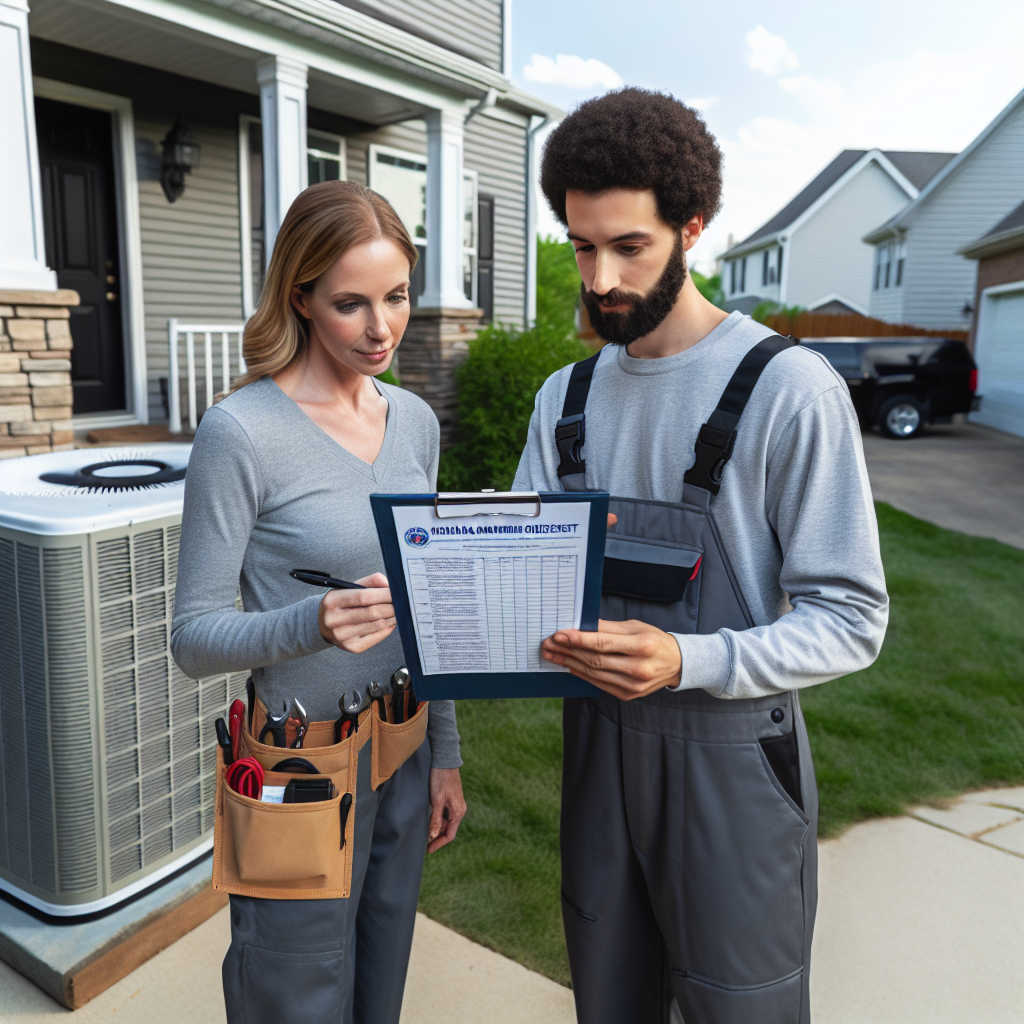
Picture this: it's the middle of July, and your air conditioning unit decides to throw in the towel. You’re sweating like a popsicle on a hot grill, and your comfort is hanging by a thread. Enter the HVAC repairman — your knight in shining armor, or more accurately, your savior in coveralls.
An HVAC repairman isn’t just a guy with a toolbox; he’s a skilled technician who can diagnose and fix issues that you didn’t even know existed. According to the Bureau of Labor Statistics, employment for HVAC technicians is projected to grow by 5% from 2021 to 2031, which means more folks are recognizing just how crucial these experts are.
The Skill Set of an HVAC Repairman
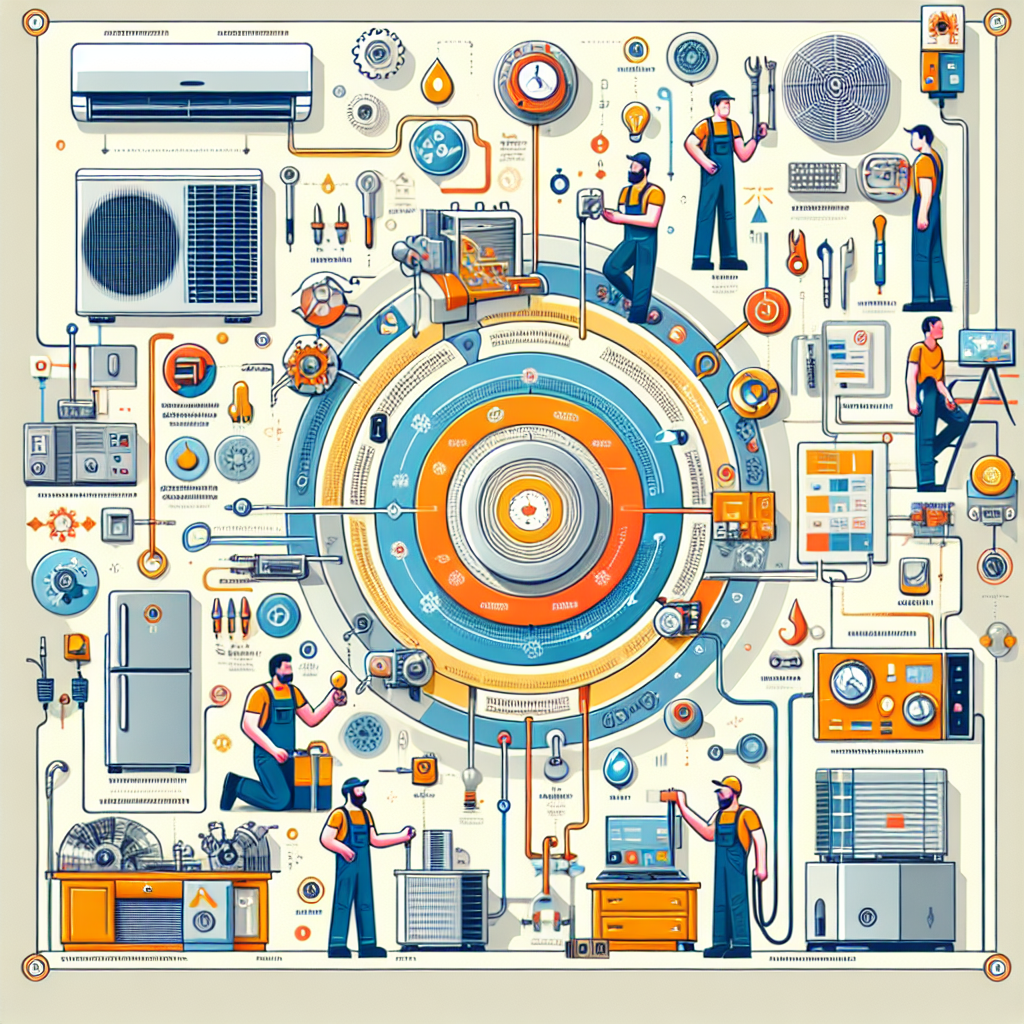
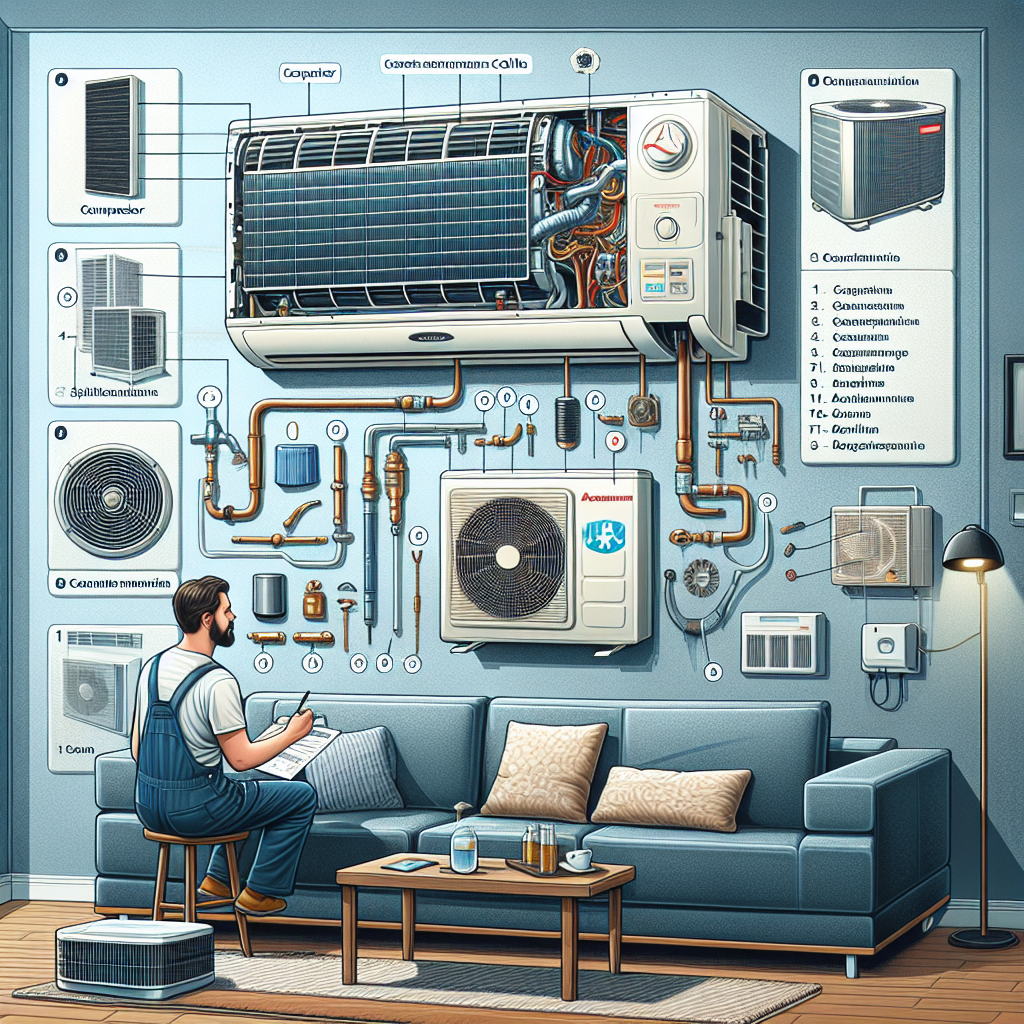
To say that being an HVAC repairman requires a diverse skill set would be an understatement. These professionals are like Swiss Army knives for your home’s heating and cooling systems. They need to understand everything from electrical systems and refrigeration cycles to ductwork design and airflow dynamics.
Consider someone working for a busy restaurant with multiple AC units struggling under the pressure of summer heat. An HVAC repairman must quickly diagnose whether it’s just a clogged filter or something more sinister like a refrigerant leak that could send temperatures soaring — all while keeping the kitchen cool enough for chefs to work their magic.
- Troubleshooting complex mechanical systems.
- Performing routine maintenance checks.
- Installing new equipment efficiently.
- Educating homeowners about energy efficiency options.
Common Misconceptions About HVAC Repairmen
They just fix things when they break — if this is what you think about HVAC repairmen, let’s set the record straight. A significant part of their job involves preventative maintenance. Regular check-ups can save homeowners from unexpected breakdowns and hefty repair bills down the line.
Preventative maintenance can extend the life of your system by years!
(The) Importance of Communication Skills
Imagine calling your HVAC guy over after noticing some strange noises coming from your furnace. He explains that it could be anything from loose screws to impending doom — but instead of leaving you in suspense, he breaks it down into layman's terms so you know exactly what you're dealing with.
In essence, an HVAC repairman plays multiple roles: technician, educator, and sometimes even therapist (because let’s face it, no one likes sweating through their shirt). So next time you find yourself feeling the heat or shivering in winter's chill, remember that these professionals are equipped with both skills and knowledge to keep you comfortable year-round.
Identifying When to Call an HVAC Repairman
When your home feels like a sauna in the summer or a freezer in the winter, it’s clear something’s not right. But how do you know when it’s time to call in the cavalry—the HVAC repairman? Spoiler alert: ignoring those warning signs can cost you more than just a few uncomfortable days.
Signs Your HVAC System Needs Help
Let’s break down some of the telltale signs that your HVAC system is waving a white flag. This isn’t about being paranoid; it’s about keeping your home cozy and saving money on energy bills.
- Unusual noises: If your system sounds like it's auditioning for a horror movie, it’s time to call someone.
- Inconsistent temperatures: If your living room feels like the Arctic while your bedroom is a desert, something's off.
- Increased energy bills: A sudden spike could mean inefficiency—your system is working overtime.
- Frequent cycling: If your unit turns on and off more than a teenager with their phone, that's a red flag.
- Foul smells: If you catch a whiff of something burning or musty, don’t ignore it; get help!
(The) Cost of Waiting Too Long
You might think, I can wait another week to see if it gets better, but that could be the equivalent of waiting for a small fire to burn out on its own. According to Energy Star, regular maintenance can save homeowners up to 30% on their energy bills. So, if you’re experiencing any of these issues, calling an HVAC repairman sooner rather than later could save you from costly repairs down the line.
Pro Tip: Regular check-ups can help catch issues before they escalate into expensive repairs.
(The) Role of Routine Maintenance
(This is where preventative maintenance comes into play.) Scheduling regular check-ups with an HVAC repairman ensures that small issues are addressed before they become major headaches. Think of it as taking your car in for an oil change—you wouldn’t wait for the engine to seize up before getting it serviced.
So before you find yourself sweating bullets or shivering under blankets at home, keep these signs in mind. Trust me; your future self will thank you for not letting that minor issue turn into an all-out emergency.
Evaluating HVAC Repairman Qualifications
Choosing the right HVAC repairman can feel like picking a needle from a haystack, especially when you consider that nearly 30% of all HVAC systems are improperly installed or maintained. That’s a staggering statistic that should make any homeowner pause and rethink their choice of technician.
What to Look For
You wouldn’t hire just anyone to perform surgery on your pet, so why would you settle for less when it comes to your home’s heating and cooling? Here’s what to keep an eye out for when evaluating potential HVAC repairmen:
- Licensing and Certification: Ensure they have the necessary licenses and certifications relevant to your state.
- Experience: Look for someone with several years in the field — they should have encountered various issues over time.
- Customer Reviews: Check online reviews or ask for references. Happy customers are usually a good sign.
- Insurance: A qualified technician should carry liability insurance to protect you in case of accidents.
(The) Importance of Experience
Imagine hiring an HVAC repairman fresh out of training school who’s never seen a heat pump in action. Sure, they might know all the textbook theories, but when it comes to real-world problems, experience is invaluable. A seasoned technician can quickly diagnose issues that might stump someone less experienced.
Experience can save you time and money by getting it right the first time.
(The) Role of Certifications
Certifications aren’t just fancy pieces of paper; they indicate a commitment to staying updated on industry standards and best practices. Look for certifications from reputable organizations like NATE (North American Technician Excellence) or EPA (Environmental Protection Agency). These credentials show that the technician has met rigorous standards and is knowledgeable about current technologies.
(The) Power of Communication
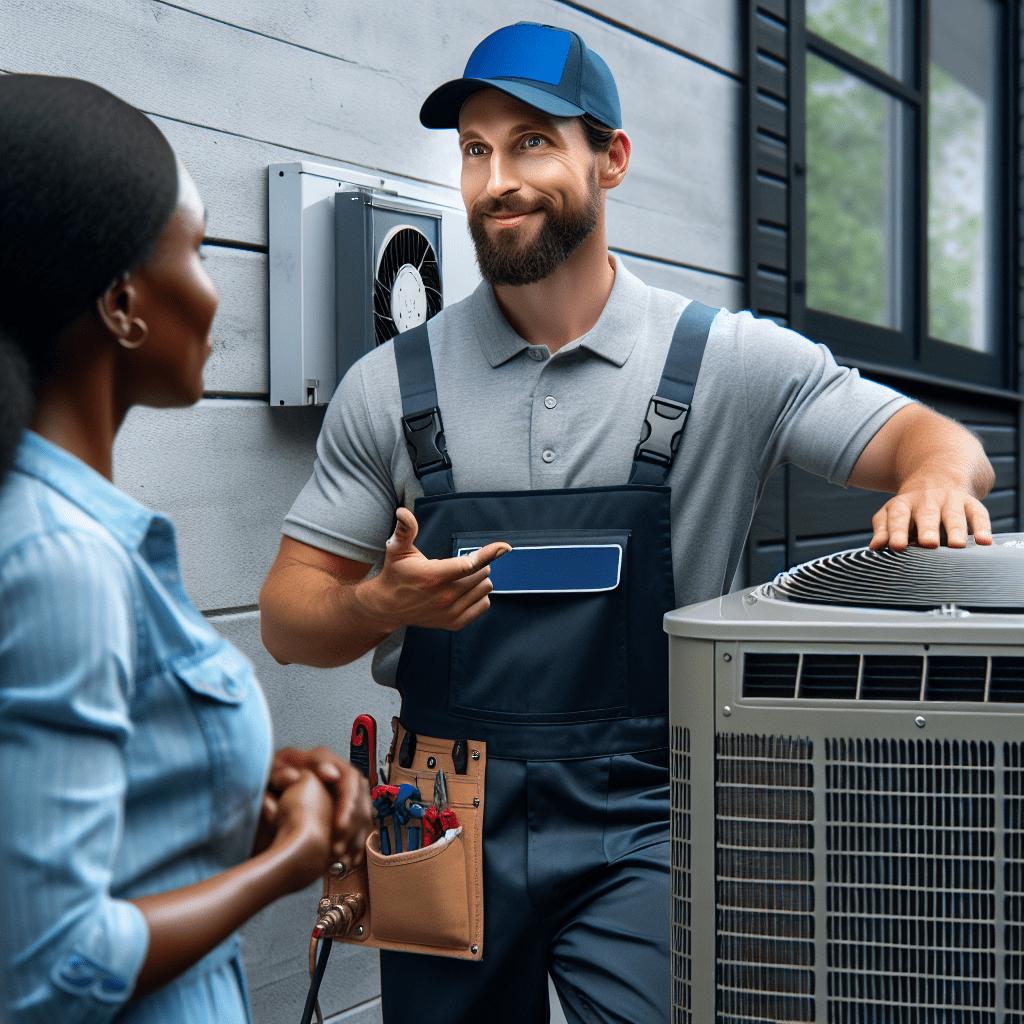
A great HVAC repairman doesn’t just fix problems; they explain them in terms you can understand. If your technician talks over your head or leaves you more confused than before, it might be time to look elsewhere. You want someone who values clear communication as much as technical expertise.
After all, when your air conditioning unit is making strange noises, you’ll want someone who can break down what’s happening without sounding like they’re speaking Klingon.
Before making your final decision, take the time to evaluate these qualifications carefully. The right HVAC repairman will not only keep your system running smoothly but also provide peace of mind knowing you've made an informed choice.
Common HVAC Repairs Performed by Professionals
When your HVAC system starts acting like a moody teenager, it’s time to call in the professionals. A staggering 90% of HVAC failures can be traced back to improper maintenance or neglect, making regular repairs not just a luxury but a necessity for comfort.
Refrigerant Leaks
One of the most common issues an HVAC repairman encounters is refrigerant leaks. Imagine your air conditioning unit as a water balloon — if there's a hole, all the coolness escapes faster than you can say heatwave. Not only does this make your system less efficient, but it can also lead to serious environmental concerns. A skilled technician will locate and seal the leak before refilling the refrigerant to keep your home cool without harming Mother Earth.
(The) Importance of Thermostat Calibration
Another frequent culprit behind HVAC headaches is an improperly calibrated thermostat. If you’re sweating bullets while your thermostat insists it’s a crisp autumn day, something's definitely off. An HVAC repairman will ensure that your thermostat is accurately reading temperatures and communicating effectively with your system. This simple fix can lead to significant energy savings and a more comfortable home environment.
(The) Dreaded Clogged Drain Line
Clogged drain lines are like that friend who always shows up uninvited — they create chaos when you least expect it. When condensation builds up and has nowhere to go, it can cause water damage or even mold growth. An HVAC repairman will clear out the drain line and ensure everything flows smoothly again, preventing potential disasters down the road.
(The) Need for Regular Maintenance Checks
An ounce of prevention is worth a pound of cure isn’t just an old saying; it's the mantra for homeowners who want to avoid costly repairs. Regular maintenance checks performed by an HVAC repairman can catch minor issues before they escalate into major problems. Think of it as taking your car in for routine oil changes — it's far cheaper than dealing with engine failure later!
- (The) Importance of changing air filters regularly.
- (The) Role of cleaning coils and fins.
- (The) Necessity of checking electrical components.
- (The) Value of inspecting ductwork for leaks.
The Impact of Seasonal Maintenance on System Longevity
You might think your HVAC system is invincible, but here’s a reality check: neglecting seasonal maintenance can shorten its lifespan by up to 50%. Yes, you read that right! Just like your car needs regular oil changes, your heating and cooling systems crave attention too.
Let’s consider a scenario: a family in Lehigh Valley decides to skip their annual HVAC check-up because they’re feeling lazy. Fast forward to the first heatwave of summer, and they’re suddenly faced with an air conditioner that’s sputtering like an old lawnmower. Not only do they suffer through sweltering days, but they also end up paying for emergency repairs that could have been avoided. Ouch!
(The) Benefits of Seasonal Maintenance
Regular seasonal maintenance is like giving your HVAC system a spa day. Here’s what it does for your system:
- Enhances energy efficiency: A well-maintained system runs smoother and uses less energy.
- Prevents unexpected breakdowns: Routine checks catch issues before they become major problems.
- Extends lifespan: Systems that receive regular TLC can last years longer than neglected ones.
- Improves indoor air quality: Cleaning filters and ducts reduces allergens and dust in your home.
(The) Cost of Skipping Maintenance
It’s just a little dirt, you might say. But that little dirt can turn into big problems. A dirty filter can restrict airflow, causing your unit to work harder and ultimately leading to costly repairs. According to Energy Star, homeowners can save up to 30% on their energy bills with regular maintenance. So why gamble with your comfort—and wallet?
Regular maintenance not only saves money but also keeps your home comfortable year-round.
(The) Role of Your HVAC Repairman
(This is where the heroes come in.) Your HVAC repairman is not just there for emergency fixes; he’s your partner in maintaining a comfortable home environment. They’ll inspect components, clean coils, check refrigerant levels, and advise on any potential issues before they escalate into costly repairs.
In essence, think of seasonal maintenance as a small investment with big returns—both in comfort and savings. So don’t wait until the next heatwave or cold snap hits; reach out to an HVAC repairman today!
Technological Advances in HVAC Repair Services
If you think the HVAC repairman is just a guy with a wrench and some duct tape, think again! The HVAC industry is experiencing a technological renaissance that’s transforming how repairs are done. From smart diagnostics to advanced tools, the days of guesswork are gone.
Consider this: according to a recent study by the American Society of Heating, Refrigerating and Air-Conditioning Engineers (ASHRAE), over 70% of HVAC failures can now be diagnosed remotely using sophisticated software. That’s like having a doctor diagnose your symptoms via video call instead of making you come into the office!
(The) Rise of Smart Technology
Smart thermostats have become the new best friends for HVAC systems. These nifty gadgets not only learn your schedule but also optimize energy usage. When your HVAC repairman installs one, they’re essentially giving your system a brain upgrade. No more unnecessary heating or cooling when nobody’s home!
Smart technology can reduce energy bills by up to 30%!
(The) Impact of Mobile Apps
Mobile applications are changing the game too. Imagine being able to monitor your HVAC system's performance from your smartphone while lounging on the couch. Many modern systems come equipped with apps that alert you to maintenance needs, filter changes, and even potential issues before they escalate into costly repairs.
Hey Siri, is my AC working? — now that’s a conversation we can get behind! With voice-activated controls, homeowners can adjust settings or check system health without lifting a finger.
(The) Role of Drones and Robotics
(And here comes the future!) Drones and robotic devices are starting to play roles in HVAC inspections. Picture this: an HVAC repairman sends in a drone to inspect hard-to-reach areas like rooftops or ductwork without risking life and limb. These high-tech helpers can capture images and data that make diagnosing problems faster and safer.
(The) Importance of Training in New Technologies
Sure, these tools are incredible, you might say, but what about the technicians? Great question! As technology evolves, so must the skill sets of HVAC repairmen. Continuous education on these advancements is crucial for technicians to stay relevant in an increasingly digital landscape.
Cost Factors Influencing HVAC Repair Services
Did you know that nearly 50% of homeowners underestimate the potential costs associated with HVAC repairs? That’s right! Many people think it’s just a quick fix, but the reality can be more complex—and expensive—than that.
When your air conditioning unit starts acting up, it’s not just about the repairman showing up with a toolbox. Several cost factors come into play, and understanding them can prevent you from being blindsided by a hefty bill.
(The) Type of Repair Needed
The nature of the repair itself is one of the biggest cost determinants. For instance, fixing a simple thermostat issue will usually cost less than addressing a refrigerant leak or replacing an entire compressor. Think of it as going to the doctor: a quick check-up is cheaper than surgery!
(The) Age and Condition of Your System
Older HVAC systems tend to require more frequent repairs and may need specialized parts that are harder to find. If your system is pushing two decades, brace yourself for potential sticker shock. It’s like trying to find vintage vinyl records in a digital world — rare and often pricey!
(The) Labor Costs
Labor costs can vary significantly based on where you live and how busy your local HVAC repairmen are. In areas with high demand, like urban centers, expect to pay more for skilled technicians. It’s supply and demand at its finest — if everyone needs help at once, prices go up!
(The) Seasonal Demand Fluctuations
(This is where timing comes into play.) Calling for repairs in peak seasons (think summer heatwaves or winter chills) can lead to higher prices due to increased demand. If you can schedule your maintenance during off-peak times, you might just snag a better deal.
Pro Tip: Schedule routine maintenance during off-peak seasons to save on costs!
(Now that we’ve covered what drives costs up, let’s chat about how you can mitigate some of those expenses.) Regular maintenance with an HVAC repairman not only keeps your system running smoothly but also extends its lifespan—saving you money in the long run.
Evaluating DIY vs. Professional HVAC Repairs
Here’s a reality check: nearly 70% of homeowners attempt DIY repairs on their HVAC systems, but only a fraction actually succeed without causing further damage. Sounds risky, right? Let’s unpack why calling in a professional HVAC repairman might be the smarter move.
Imagine this: you’re knee-deep in YouTube tutorials, armed with a wrench and an over-inflated sense of confidence, ready to tackle that mysterious rattling noise coming from your air conditioning unit. Fast forward two hours, and instead of fixing the problem, you’ve inadvertently turned your AC into a glorified fan — and now it’s leaking water all over your living room floor. Oops.
(The) Risks of DIY Repairs
Let’s face it: while DIY projects can be fun and rewarding, HVAC systems are not your average weekend project. Here are some risks associated with going the DIY route:
- Increased risk of injury: Working with electrical components or heavy machinery can lead to accidents.
- Potential for more costly repairs: A botched fix could escalate minor issues into major headaches.
- Voiding warranties: Many manufacturers require professional installation and repairs to maintain warranty coverage.
(The) Benefits of Hiring a Professional
Now let’s flip the script and look at what an actual HVAC repairman brings to the table. Here’s why you should consider leaving it to the pros:
- Expertise: These technicians have undergone extensive training and possess certifications that ensure they’re up-to-date on industry standards.
- Efficiency: Professionals can quickly diagnose issues that might stump even the most determined DIYer, saving you time and frustration.
- Safety: HVAC repairmen are trained to handle potentially dangerous situations safely, reducing risks for you and your home.
Hiring a professional can save you money in the long run by preventing costly mistakes.