


Small symptoms — noisy cycling, weak vents, or a sudden jump in bills — are often the first sign you need hvac repair before a full breakdown. This article from Lehigh Valley HVAC Pros lists seven specific early warning signs, explains the most likely technical causes, and walks through the on-site diagnostics and fast repair steps local technicians use. You will also get realistic time and cost ranges, prevention tips for Lehigh and Northampton County homes, and clear guidance on when to call for emergency service.
1. Uneven cooling or heating across rooms
Straight fact: When one room stays too warm or cold while the rest of the house is fine, the root cause is usually an airflow imbalance or a failing component – not the thermostat. This symptom matters because it accelerates wear on the system, increases energy use, and often signals a fixable duct, blower, or refrigerant problem that a qualified technician should diagnose.
How Lehigh Valley HVAC Pros approaches diagnosis
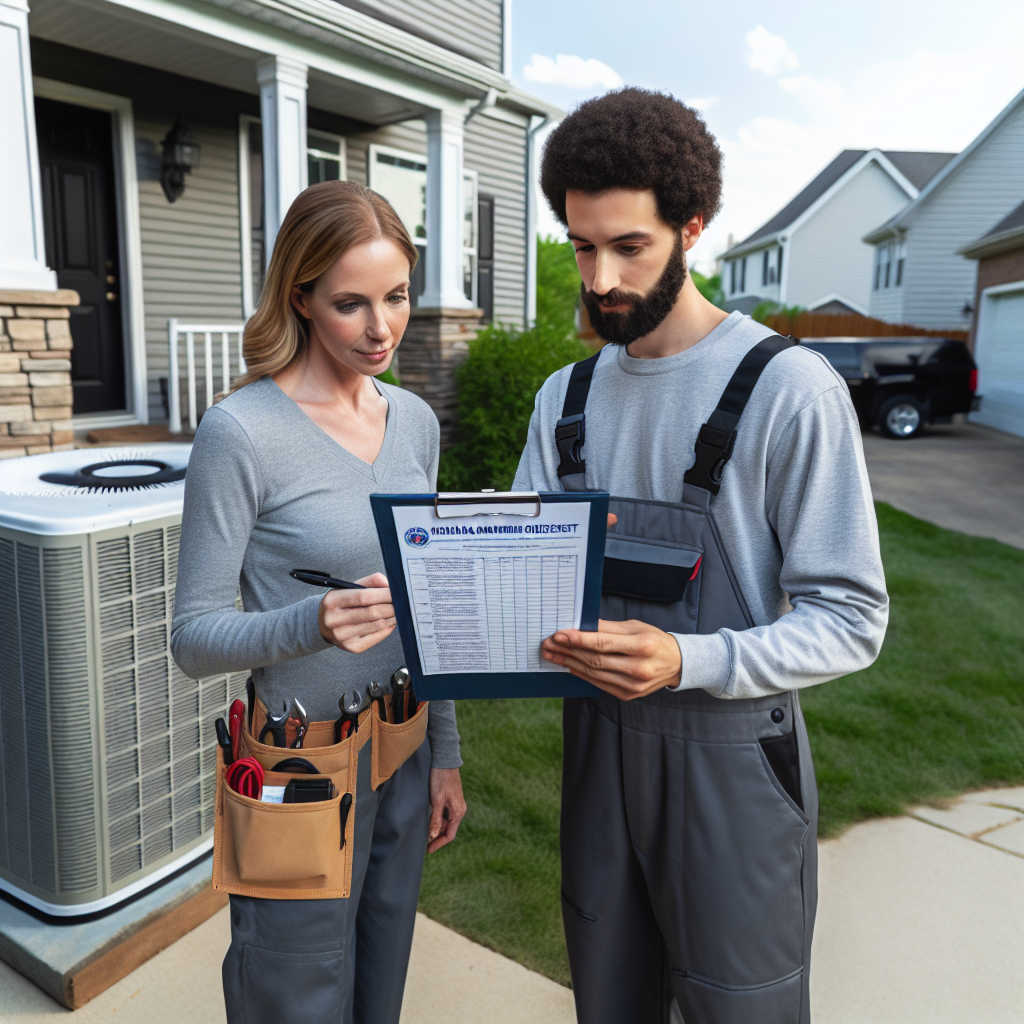
Diagnostic workflow: Technicians start with a room by room temperature map, then measure static pressure with a digital manometer to tell if the system is fighting high resistance. A thermal imaging camera reveals cold or hot spots in ceilings and walls, and an inspection camera checks for crushed or disconnected flexible ducts. If airflow looks normal but cooling is weak, the tech will verify refrigerant pressures with digital manifold gauges to rule out a compressor or leak issue. See ACCA guidance on airflow testing for the methodology we follow: ACCA.
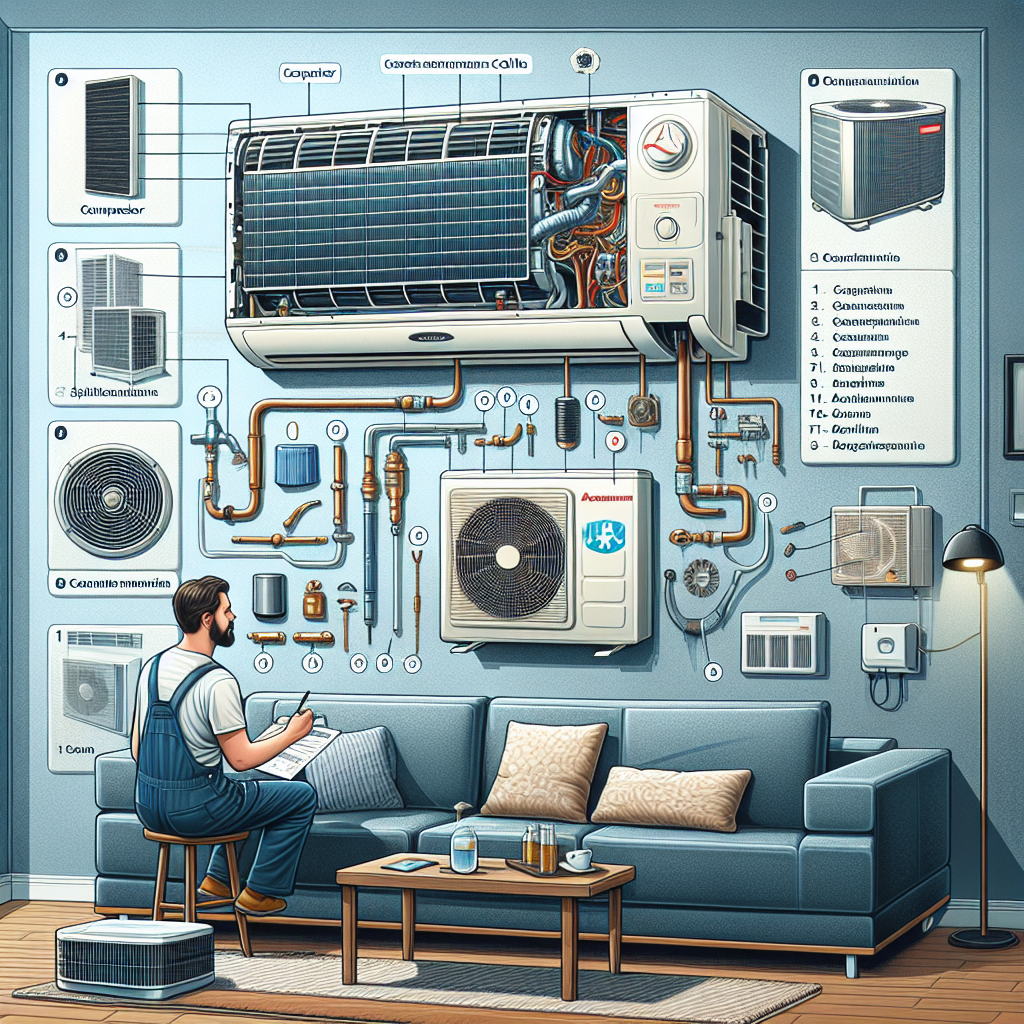
Common causes to expect: Leaky or crushed flexible ducts, closed or sticky zone dampers, dirty evaporator coils or a weak blower motor, and in some cases low refrigerant or reduced compressor capacity. Zone control failures and improperly sized supply runs are less obvious but common in renovated homes where new walls changed airflow patterns.
- Quick check: Are supply vents fully open and filters clean? This rules out the simplest airflow restrictions.
- When to escalate: Static pressure over manufacturers recommendation or visible crushed ducts means hands on inspection and measurement are required.
- Refrigerant vs duct problem: If supply temps are low at the evaporator but rooms are warm, the issue may be refrigerant related and must be handled under EPA rules.
Concrete example: A homeowner in Bethlehem reported the entire upstairs staying 6 to 8 degrees warmer after a summer attic project. Our tech found a 10 foot run of crushed flex duct and a partially closed damper. The crew replaced the damaged section, resealed junctions with mastic, and balanced the dampers. Work time was three hours and the repair cost was about $450 including parts and balancing.
Tradeoff to know: Sealing and patching ducts is fast and often inexpensive, but it is a temporary solution if ducts are degraded, flattened, or poorly routed through uninsulated attic spaces. For more than about 30 percent airflow loss on a run, replacement produces better long term efficiency and avoids repeat service calls.
Prevention tip: Schedule seasonal HVAC maintenance and change filters quarterly during heavy use; inspect attic duct insulation so ducts do not lose capacity during Lehigh Valley winters. See our maintenance plans: maintenance plans.
Next consideration: If you suspect uneven temps, document which rooms and when the imbalance appears, then contact Lehigh Valley HVAC Pros for a targeted diagnostic and estimate: contact us.
Frequently Asked Questions
Direct point: Homeowners need quick, actionable answers — not vague reassurances — when a system acts up. The items below give clear thresholds for emergency action, sensible DIY steps that actually help, and what to expect from a professional diagnostic and repair visit.
Short answers you can use right away
- Gas smell or carbon monoxide alarm: Leave the house, call 911, then call an HVAC technician with gas expertise. These are life-safety events — do not try to troubleshoot.
- Weak airflow DIY checklist: Replace the filter, open all supply and return grilles, and check that basement/attic access doors are closed. If that does not restore volume, you need a pro static pressure test and motor diagnosis.
- Typical repair timeframes: Small fixes (filter, capacitor, thermostat) often finish same visit; major jobs (compressor, duct replacement) commonly take a full day or more and sometimes require special-ordered parts.
- Refrigerant work and regulation: Handling refrigerants is governed by EPA Section 608 — only certified technicians should recover, repair, or recharge refrigerant. See EPA Section 608.
- Does a tune up stop everything?: Regular maintenance cuts risk and uncovers small failures early, but it does not make an old, failing compressor or leaking coil new again. Expect fewer emergency calls, not zero calls.
- Diagnostic fee expectations: Many companies perform a targeted evaluation and present options before work begins; ask whether the diagnostic charge is credited toward repair when you schedule the visit.
- Prep for the visit: Note which rooms are affected, gather recent utility bills if energy is the issue, have the thermostat model and any error codes, and clear access to the unit and electrical panel.
Concrete example: A homeowner in Whitehall replaced a clogged filter and left a return grille taped during a remodel; airflow improved slightly but the blower still overworked. Our crew measured high amp draw, found a failing capacitor, swapped it, and the system ran normally within an hour — a $325 repair instead of an unnecessary motor replacement.
Practical tradeoff: DIY fixes are good triage tools but they mask two common mistakes: delaying professional diagnosis lets a small electrical failure become a motor replacement, and amateur refrigerant topping off can create legal and safety problems. When in doubt, document symptoms and call for a diagnostic rather than guessing at parts.



Leave A Comment