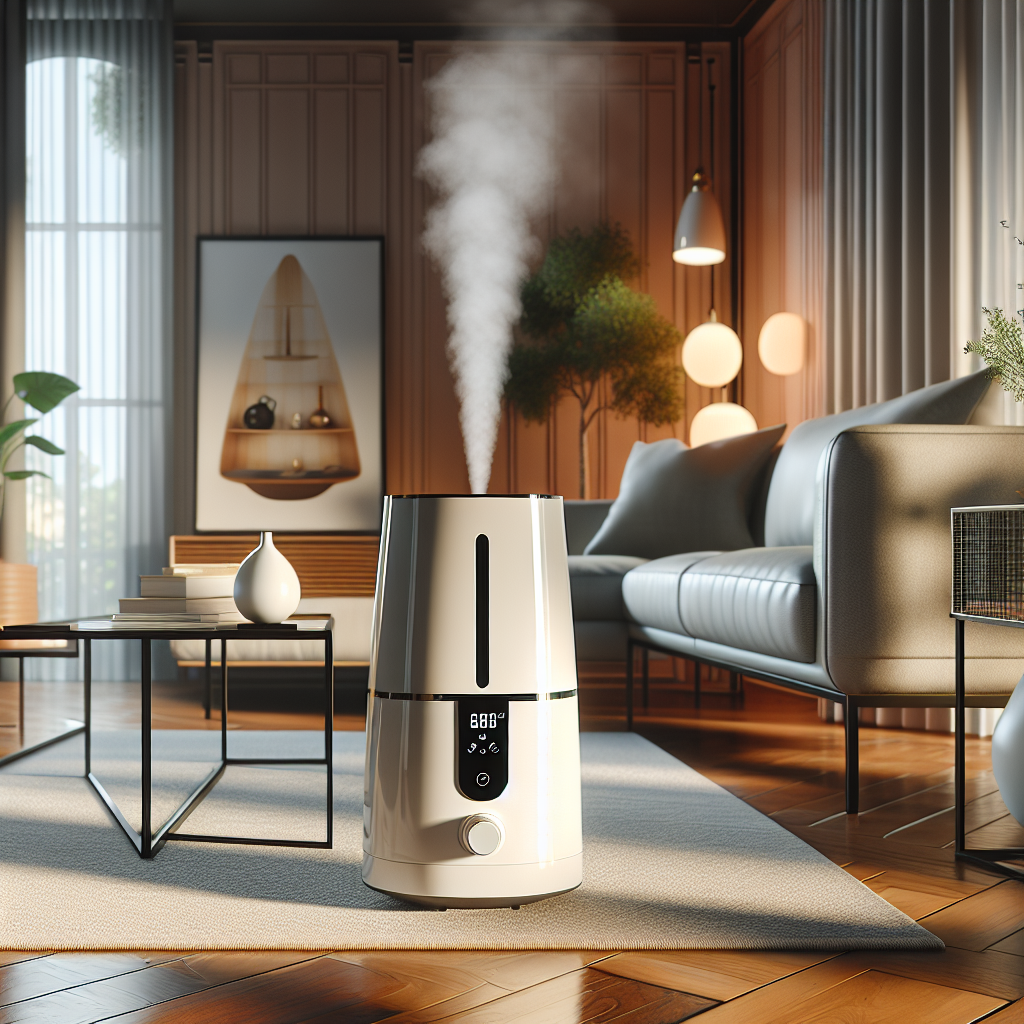
Home Humidifiers: Making the Right Choice for Your Indoor Air Quality
Evaluating Humidity Levels and Needs
Did you know that nearly 30% of American homes have humidity levels that are either too low or too high? That's like living in a desert one moment and a swamp the next—no wonder we feel so uncomfortable!
Understanding your home's humidity levels is crucial for making an informed decision about the pros and cons of humidifier use. Think about it: you walk into your living room, and it feels like a sauna. You might think, Time to invest in a dehumidifier! But hold on—what if your air is actually too dry? It’s all about finding that sweet spot between comfort and health.
Identifying Your Humidity Levels
First things first, grab yourself a hygrometer—a nifty little gadget that measures humidity. Ideal indoor humidity levels hover around 30% to 50%. If you're dipping below that threshold, your skin will start feeling parched, plants may wilt, and wooden furniture could crack. Conversely, if you're above 50%, you're inviting mold and dust mites to throw a party in your home.
Tip: A hygrometer can save you from costly mistakes!
Assessing Your Needs
Now that you know how to measure humidity, it's time for some self-reflection—what are your specific needs? A family with young kids might prioritize maintaining moisture levels to prevent dry skin or respiratory issues. Meanwhile, an older couple may be more concerned about wood floors warping or their antique furniture cracking.
- Dry skin or allergies? A humidifier could be your best friend.
- Swampy feeling in the air? Time to consider a dehumidifier.
- I love my plants! – Keep them happy with balanced humidity.
When Is It Time for a Humidifier?
If you've got static shocks zapping you every time you touch something metal or if your throat feels scratchy after sleeping at night, these are red flags waving for moisture assistance. Also consider seasonal changes; winter often brings dry air due to heating systems working overtime.
In summary, evaluating humidity levels isn't just about comfort; it's also about health and protecting your investment in your home. Once you've assessed what works best for you—whether it's cranking up the humidifier or dialing back the moisture—you'll be well on your way to creating an indoor oasis.
Did you know that nearly 30% of American homes have humidity levels that are either too low or too high? That's like living in a desert one moment and a swamp the next—no wonder we feel so uncomfortable!
Understanding your home's humidity levels is crucial for making an informed decision about the pros and cons of humidifier use. Think about it: you walk into your living room, and it feels like a sauna. You might think, Time to invest in a dehumidifier! But hold on—what if your air is actually too dry? It’s all about finding that sweet spot between comfort and health.
Identifying Your Humidity Levels
First things first, grab yourself a hygrometer—a nifty little gadget that measures humidity. Ideal indoor humidity levels hover around 30% to 50%. If you're dipping below that threshold, your skin will start feeling parched, plants may wilt, and wooden furniture could crack. Conversely, if you're above 50%, you're inviting mold and dust mites to throw a party in your home.
Tip: A hygrometer can save you from costly mistakes!
Assessing Your Needs
Now that you know how to measure humidity, it's time for some self-reflection—what are your specific needs? A family with young kids might prioritize maintaining moisture levels to prevent dry skin or respiratory issues. Meanwhile, an older couple may be more concerned about wood floors warping or their antique furniture cracking.
- Dry skin or allergies? A humidifier could be your best friend.
- Swampy feeling in the air? Time to consider a dehumidifier.
- I love my plants! – Keep them happy with balanced humidity.
When Is It Time for a Humidifier?
If you've got static shocks zapping you every time you touch something metal or if your throat feels scratchy after sleeping at night, these are red flags waving for moisture assistance. Also consider seasonal changes; winter often brings dry air due to heating systems working overtime.
In summary, evaluating humidity levels isn't just about comfort; it's also about health and protecting your investment in your home. Once you've assessed what works best for you—whether it's cranking up the humidifier or dialing back the moisture—you'll be well on your way to creating an indoor oasis.
Types of Humidifiers and Their Mechanisms
Not all humidifiers are created equal—some are like the charming friend who always brings snacks, while others are that one guy who shows up empty-handed. Understanding the different types of humidifiers and their mechanisms can save you from an indoor air quality disaster. Let’s break it down!
Evaporative Humidifiers
These work on a simple principle: water evaporates into the air. An evaporative humidifier uses a fan to blow air through a wet wick or filter, allowing moisture to disperse. They’re self-regulating, meaning as humidity levels rise, they naturally slow down. This prevents over-humidifying your space and helps avoid that swampy feeling.
Steam Vaporizers
Think of these as the hot tub of humidifiers. They boil water to produce steam, which cools before it leaves the machine. While they can effectively kill germs and bacteria in the water, they're not exactly energy-efficient and can be a bit of a hazard if you have pets or kids around—hot steam can lead to burns.
Ultrasonic Humidifiers
(Cue the sci-fi sound effects.) Ultrasonic humidifiers use high-frequency vibrations to create a fine mist from water. They’re quiet, energy-efficient, and don’t require filters—what’s not to love? Just keep an eye on mineral buildup; if you’re using tap water, it might leave some chalky residue around your home.
Impeller Humidifiers
(The underdog of humidifiers.) Impeller models use a rotating disk to fling water into the air in tiny droplets. They’re also quiet but less common than other types. One thing to note is that they usually require distilled water to avoid mineral buildup and ensure optimal performance.
Key takeaway: The right type of humidifier depends on your specific needs—whether it's ease of use, maintenance requirements, or safety concerns.
(Bonus) Hybrid Models
(Because why not combine forces?) Hybrid models mix features from various types for added versatility. Some might combine ultrasonic technology with steam features for maximum efficiency while keeping maintenance low. These tend to be pricier but can offer tailored solutions for unique humidity challenges.
When considering the pros and cons of humidifier options available today, think about your lifestyle needs: Do you have kids or pets? Are you sensitive to noise? Each type has its quirks that can either enhance your indoor air quality or lead you down a path of frustration.
Not all humidifiers are created equal—some are like the charming friend who always brings snacks, while others are that one guy who shows up empty-handed. Understanding the different types of humidifiers and their mechanisms can save you from an indoor air quality disaster. Let’s break it down!
Evaporative Humidifiers
These work on a simple principle: water evaporates into the air. An evaporative humidifier uses a fan to blow air through a wet wick or filter, allowing moisture to disperse. They’re self-regulating, meaning as humidity levels rise, they naturally slow down. This prevents over-humidifying your space and helps avoid that swampy feeling.
Steam Vaporizers
Think of these as the hot tub of humidifiers. They boil water to produce steam, which cools before it leaves the machine. While they can effectively kill germs and bacteria in the water, they're not exactly energy-efficient and can be a bit of a hazard if you have pets or kids around—hot steam can lead to burns.
Ultrasonic Humidifiers
(Cue the sci-fi sound effects.) Ultrasonic humidifiers use high-frequency vibrations to create a fine mist from water. They’re quiet, energy-efficient, and don’t require filters—what’s not to love? Just keep an eye on mineral buildup; if you’re using tap water, it might leave some chalky residue around your home.
Impeller Humidifiers
(The underdog of humidifiers.) Impeller models use a rotating disk to fling water into the air in tiny droplets. They’re also quiet but less common than other types. One thing to note is that they usually require distilled water to avoid mineral buildup and ensure optimal performance.
Key takeaway: The right type of humidifier depends on your specific needs—whether it's ease of use, maintenance requirements, or safety concerns.
(Bonus) Hybrid Models
(Because why not combine forces?) Hybrid models mix features from various types for added versatility. Some might combine ultrasonic technology with steam features for maximum efficiency while keeping maintenance low. These tend to be pricier but can offer tailored solutions for unique humidity challenges.
When considering the pros and cons of humidifier options available today, think about your lifestyle needs: Do you have kids or pets? Are you sensitive to noise? Each type has its quirks that can either enhance your indoor air quality or lead you down a path of frustration.
Pros of Using Humidifiers for Indoor Air Quality
Imagine waking up in the morning, and instead of feeling like you’ve just spent the night in a desert, you feel refreshed and comfortable. That’s the magic of humidifiers! These little devices can be your best ally against dry air, especially during those chilly months when indoor heating turns your cozy home into a bone-dry wasteland.
Research indicates that maintaining optimal humidity levels (between 30% and 50%) can significantly reduce respiratory issues and even lower the transmission rates of airborne viruses. In fact, studies show that viruses like influenza can survive longer in dry air—so keeping moisture in your home could be a game-changer for your family’s health.
Health Benefits Galore
Let’s talk health. Dry air can lead to dry skin, irritated sinuses, and even nosebleeds. If you’re prone to allergies or asthma, adding a humidifier could make a world of difference. It helps keep your airways moist, making it easier to breathe and reducing irritation. Plus, who doesn’t want to flaunt skin that glows instead of flakes?
Comfort is Key
Think about it: when humidity levels are just right, you’ll find yourself cozying up with a book instead of battling itchy eyes or cracked lips. A humidifier can transform your living space into an inviting sanctuary rather than an arid landscape. Plus, if you have wooden furniture or musical instruments at home, maintaining proper humidity prevents warping and cracking—saving you from costly repairs down the line.
Goodbye Static Shock!
(Cue dramatic music) Ever had that moment when you touch a doorknob and get zapped? Yeah, not fun! Low humidity is notorious for creating static electricity. A humidifier helps alleviate this nuisance by adding moisture to the air, making those shocking moments a thing of the past.
(Bonus) Plant Happiness
(For all the plant parents out there!) If you've got houseplants begging for attention (and moisture), a humidifier will keep them perky and thriving. Many tropical plants require higher humidity levels to flourish; otherwise, they might start looking more like sad sticks than lush greenery.
- Improved respiratory health.
- Enhanced comfort during sleep.
- Protection for wooden furniture.
- No more static shocks!
- Happier plants!
Imagine waking up in the morning, and instead of feeling like you’ve just spent the night in a desert, you feel refreshed and comfortable. That’s the magic of humidifiers! These little devices can be your best ally against dry air, especially during those chilly months when indoor heating turns your cozy home into a bone-dry wasteland.
Research indicates that maintaining optimal humidity levels (between 30% and 50%) can significantly reduce respiratory issues and even lower the transmission rates of airborne viruses. In fact, studies show that viruses like influenza can survive longer in dry air—so keeping moisture in your home could be a game-changer for your family’s health.
Health Benefits Galore
Let’s talk health. Dry air can lead to dry skin, irritated sinuses, and even nosebleeds. If you’re prone to allergies or asthma, adding a humidifier could make a world of difference. It helps keep your airways moist, making it easier to breathe and reducing irritation. Plus, who doesn’t want to flaunt skin that glows instead of flakes?
Comfort is Key
Think about it: when humidity levels are just right, you’ll find yourself cozying up with a book instead of battling itchy eyes or cracked lips. A humidifier can transform your living space into an inviting sanctuary rather than an arid landscape. Plus, if you have wooden furniture or musical instruments at home, maintaining proper humidity prevents warping and cracking—saving you from costly repairs down the line.
Goodbye Static Shock!
(Cue dramatic music) Ever had that moment when you touch a doorknob and get zapped? Yeah, not fun! Low humidity is notorious for creating static electricity. A humidifier helps alleviate this nuisance by adding moisture to the air, making those shocking moments a thing of the past.
(Bonus) Plant Happiness
(For all the plant parents out there!) If you've got houseplants begging for attention (and moisture), a humidifier will keep them perky and thriving. Many tropical plants require higher humidity levels to flourish; otherwise, they might start looking more like sad sticks than lush greenery.
- Improved respiratory health.
- Enhanced comfort during sleep.
- Protection for wooden furniture.
- No more static shocks!
- Happier plants!
Cons of Humidifiers: Risks and Maintenance Challenges
Just because you’ve got a humidifier doesn’t mean you’re automatically winning at indoor air quality. In fact, there’s a hidden world of risks lurking behind that soothing mist. If you’re not careful, your humidifier could turn from trusty sidekick to sneaky villain in your home.
For instance, consider the case of a family in Allentown who bought a fancy ultrasonic humidifier to combat dry winter air. They were thrilled—until they noticed their once-vibrant wall paint beginning to peel and mold creeping into their corners. Turns out, they were over-humidifying their space without even realizing it!
Mold and Bacteria: The Uninvited Guests
Humidity levels above 50% can create a paradise for mold spores and bacteria. If your humidifier isn’t cleaned regularly—think every few days—you might as well be inviting these unwelcome guests to set up camp in your living room. This can lead to respiratory issues for everyone in the household, especially if anyone has allergies or asthma.
Important: Regular maintenance is crucial to prevent mold growth!
The Maintenance Dilemma
Let’s talk maintenance because, spoiler alert: it’s not as simple as just filling the tank and walking away. Most humidifiers require routine cleaning to keep them functioning properly. Failure to do so can lead to mineral buildup, which not only reduces efficiency but can also release white dust into your air—a lovely gift for anyone with allergies.
- Change water daily.
- Clean the tank weekly.
- Replace filters as needed.
(Bonus) The Cost Factor
(Here’s where it gets spicy.) The initial investment isn’t the only cost you’ll face with a humidifier. Ongoing maintenance costs can add up quickly—especially if you need specialized filters or cleaning solutions. Plus, if you end up with mold problems due to neglecting upkeep, you might find yourself shelling out even more for repairs or professional cleaning services.
So what’s the takeaway? The pros and cons of humidifiers aren’t just black and white; they come with shades of gray that require careful consideration. If you decide to bring one into your home, remember that regular maintenance is non-negotiable! Keep an eye on humidity levels (ideally between 30% and 50%) and don’t let convenience lead you down the path of neglect.
Just because you’ve got a humidifier doesn’t mean you’re automatically winning at indoor air quality. In fact, there’s a hidden world of risks lurking behind that soothing mist. If you’re not careful, your humidifier could turn from trusty sidekick to sneaky villain in your home.
For instance, consider the case of a family in Allentown who bought a fancy ultrasonic humidifier to combat dry winter air. They were thrilled—until they noticed their once-vibrant wall paint beginning to peel and mold creeping into their corners. Turns out, they were over-humidifying their space without even realizing it!
Mold and Bacteria: The Uninvited Guests
Humidity levels above 50% can create a paradise for mold spores and bacteria. If your humidifier isn’t cleaned regularly—think every few days—you might as well be inviting these unwelcome guests to set up camp in your living room. This can lead to respiratory issues for everyone in the household, especially if anyone has allergies or asthma.
Important: Regular maintenance is crucial to prevent mold growth!
The Maintenance Dilemma
Let’s talk maintenance because, spoiler alert: it’s not as simple as just filling the tank and walking away. Most humidifiers require routine cleaning to keep them functioning properly. Failure to do so can lead to mineral buildup, which not only reduces efficiency but can also release white dust into your air—a lovely gift for anyone with allergies.
- Change water daily.
- Clean the tank weekly.
- Replace filters as needed.
(Bonus) The Cost Factor
(Here’s where it gets spicy.) The initial investment isn’t the only cost you’ll face with a humidifier. Ongoing maintenance costs can add up quickly—especially if you need specialized filters or cleaning solutions. Plus, if you end up with mold problems due to neglecting upkeep, you might find yourself shelling out even more for repairs or professional cleaning services.
So what’s the takeaway? The pros and cons of humidifiers aren’t just black and white; they come with shades of gray that require careful consideration. If you decide to bring one into your home, remember that regular maintenance is non-negotiable! Keep an eye on humidity levels (ideally between 30% and 50%) and don’t let convenience lead you down the path of neglect.
Energy Efficiency and Cost Considerations
Imagine this: you’ve just invested in a humidifier to combat dry air, only to find your energy bill skyrocketing faster than your excitement for fresh, moist air. Yes, humidifiers can be energy hogs if you're not careful.
A study by the U.S. Department of Energy revealed that properly maintaining humidity levels can save you up to 10% on heating costs in winter. That’s right—keeping your home comfortably humid could actually put some cash back in your pocket!
Understanding Energy Consumption
When it comes to the pros and cons of humidifier use, energy efficiency is a big player. Different types of humidifiers consume varying amounts of energy. For example, ultrasonic models are generally more efficient than steam vaporizers, which can draw significant power due to their heating elements.
- Ultrasonic Humidifiers: Low energy consumption; ideal for quiet operation.
- Evaporative Humidifiers: Moderate energy use; self-regulating feature helps prevent overuse.
- Steam Vaporizers: High energy consumption; effective but not cost-efficient for long-term use.
Choosing an energy-efficient model can lead to significant savings over time!
(Bonus) The Hidden Costs of Humidification
(Here’s where it gets spicy.) The upfront cost of a humidifier might seem manageable, but don’t forget about the ongoing expenses. Filters need replacing regularly, and depending on your water quality, you might even need special cleaning solutions to keep mineral buildup at bay.
(Let’s not forget maintenance costs!) If you neglect regular cleaning and monitoring, you could end up with mold issues that require professional cleaning or repairs—talk about an expensive surprise!
(Scenario) A Real-World Example
So what’s the bottom line? When exploring the pros and cons of humidifier options available today, consider both initial investment and ongoing operational costs. An informed choice will keep your home cozy without breaking the bank!
Imagine this: you’ve just invested in a humidifier to combat dry air, only to find your energy bill skyrocketing faster than your excitement for fresh, moist air. Yes, humidifiers can be energy hogs if you're not careful.
A study by the U.S. Department of Energy revealed that properly maintaining humidity levels can save you up to 10% on heating costs in winter. That’s right—keeping your home comfortably humid could actually put some cash back in your pocket!
Understanding Energy Consumption
When it comes to the pros and cons of humidifier use, energy efficiency is a big player. Different types of humidifiers consume varying amounts of energy. For example, ultrasonic models are generally more efficient than steam vaporizers, which can draw significant power due to their heating elements.
- Ultrasonic Humidifiers: Low energy consumption; ideal for quiet operation.
- Evaporative Humidifiers: Moderate energy use; self-regulating feature helps prevent overuse.
- Steam Vaporizers: High energy consumption; effective but not cost-efficient for long-term use.
Choosing an energy-efficient model can lead to significant savings over time!
(Bonus) The Hidden Costs of Humidification
(Here’s where it gets spicy.) The upfront cost of a humidifier might seem manageable, but don’t forget about the ongoing expenses. Filters need replacing regularly, and depending on your water quality, you might even need special cleaning solutions to keep mineral buildup at bay.
(Let’s not forget maintenance costs!) If you neglect regular cleaning and monitoring, you could end up with mold issues that require professional cleaning or repairs—talk about an expensive surprise!
(Scenario) A Real-World Example
So what’s the bottom line? When exploring the pros and cons of humidifier options available today, consider both initial investment and ongoing operational costs. An informed choice will keep your home cozy without breaking the bank!
Integration with HVAC Systems
Picture this: your HVAC system is humming along, keeping your home at a comfy temperature, but the air feels as dry as the Sahara. That's where integrating a humidifier into your HVAC system can be a game changer. It’s like adding whipped cream to your hot chocolate—deliciously necessary!
Integrating a humidifier into your existing HVAC setup offers a seamless way to control humidity levels throughout your entire home. This means no more battling with a portable humidifier in one room while the rest of the house remains arid and lifeless.
Benefits of Integration
When you integrate a whole-home humidifier with your HVAC system, you're not just sprinkling moisture around—you're creating an environment that can enhance comfort and health. Here are some pros:
- Consistent humidity levels across all rooms, eliminating cold spots.
- Reduced risk of mold and mildew since you can maintain optimal humidity levels.
- Lower energy costs due to improved efficiency of heating systems that don’t have to work as hard.
Considerations Before You Commit
(But hold on! Before you rush out to install one, let’s talk about some potential cons.) Not every HVAC system is compatible with all types of humidifiers. You’ll need to consider the following:
- * Installation costs can add up quickly, especially if modifications are needed.
- * Regular maintenance is crucial; if neglected, it could lead to bigger issues like mold growth in ductwork.
- * Not all systems support integrated models; check compatibility beforehand.
Picture this: your HVAC system is humming along, keeping your home at a comfy temperature, but the air feels as dry as the Sahara. That's where integrating a humidifier into your HVAC system can be a game changer. It’s like adding whipped cream to your hot chocolate—deliciously necessary!
Integrating a humidifier into your existing HVAC setup offers a seamless way to control humidity levels throughout your entire home. This means no more battling with a portable humidifier in one room while the rest of the house remains arid and lifeless.
Benefits of Integration
When you integrate a whole-home humidifier with your HVAC system, you're not just sprinkling moisture around—you're creating an environment that can enhance comfort and health. Here are some pros:
- Consistent humidity levels across all rooms, eliminating cold spots.
- Reduced risk of mold and mildew since you can maintain optimal humidity levels.
- Lower energy costs due to improved efficiency of heating systems that don’t have to work as hard.
Considerations Before You Commit
(But hold on! Before you rush out to install one, let’s talk about some potential cons.) Not every HVAC system is compatible with all types of humidifiers. You’ll need to consider the following:
- * Installation costs can add up quickly, especially if modifications are needed.
- * Regular maintenance is crucial; if neglected, it could lead to bigger issues like mold growth in ductwork.
- * Not all systems support integrated models; check compatibility beforehand.
User Experience: Real-Life Case Studies
When Sarah moved into her new apartment in Bethlehem, she was thrilled about the cozy charm and the vintage hardwood floors. But within weeks, she discovered the downside of her dream home: dry air that turned her living room into a winter wasteland. With static shocks zapping her every time she reached for her favorite throw blanket, she knew it was time to take action.
After some research, Sarah decided to invest in an ultrasonic humidifier. She figured it would be a simple addition to her home that would help alleviate the discomfort of dry air. Little did she know, this decision would lead to a series of unexpected revelations about the pros and cons of humidifier use.
The Transformation
Within days of setting up her new humidifier, Sarah noticed a significant change. Her skin felt less like sandpaper and more like velvet! The plants she had almost given up on started thriving again, reaching for sunlight with renewed vigor. Even her wooden furniture seemed to breathe a sigh of relief—no more creaky floorboards or warping wood!
Key takeaway: Humidifiers can dramatically improve comfort and protect your home from damage.
The Hidden Downsides
However, not all was perfect in Sarah's humidified paradise. A few months in, she started noticing a musty smell creeping into her living space. After some detective work (and a few Google searches), she discovered that neglecting regular cleaning meant mold was brewing inside her humidifier tank. Yikes! This realization hit hard—what had been an ally turned into an unwelcome foe.
- * Regular maintenance is non-negotiable; without it, you risk mold growth.
- * Over-humidification can lead to peeling paint and unwanted moisture issues.
- * Not all models are created equal—some require more upkeep than others.
(Scenario) The Family Dilemma
(Let’s switch gears for a moment.) Meet the Johnsons—a family of four living in Easton who also faced dry air issues during winter. They decided to go all out and install a whole-home humidifier integrated with their HVAC system after hearing rave reviews from friends.
Integration offers convenience but comes with its own set of challenges!
In the end, while they enjoyed consistent humidity throughout their home (goodbye static shocks!), they learned that regular maintenance was still crucial to avoid issues like mold growth in ductwork.
So what can we learn from these real-life case studies? Humidifiers can enhance your indoor environment significantly if used correctly—but neglecting maintenance or overdoing it can lead to headaches (or mold). As you weigh the pros and cons of humidifier options available today, remember that each choice comes with its own unique challenges—and rewards!
When Sarah moved into her new apartment in Bethlehem, she was thrilled about the cozy charm and the vintage hardwood floors. But within weeks, she discovered the downside of her dream home: dry air that turned her living room into a winter wasteland. With static shocks zapping her every time she reached for her favorite throw blanket, she knew it was time to take action.
After some research, Sarah decided to invest in an ultrasonic humidifier. She figured it would be a simple addition to her home that would help alleviate the discomfort of dry air. Little did she know, this decision would lead to a series of unexpected revelations about the pros and cons of humidifier use.
The Transformation
Within days of setting up her new humidifier, Sarah noticed a significant change. Her skin felt less like sandpaper and more like velvet! The plants she had almost given up on started thriving again, reaching for sunlight with renewed vigor. Even her wooden furniture seemed to breathe a sigh of relief—no more creaky floorboards or warping wood!
Key takeaway: Humidifiers can dramatically improve comfort and protect your home from damage.
The Hidden Downsides
However, not all was perfect in Sarah's humidified paradise. A few months in, she started noticing a musty smell creeping into her living space. After some detective work (and a few Google searches), she discovered that neglecting regular cleaning meant mold was brewing inside her humidifier tank. Yikes! This realization hit hard—what had been an ally turned into an unwelcome foe.
- * Regular maintenance is non-negotiable; without it, you risk mold growth.
- * Over-humidification can lead to peeling paint and unwanted moisture issues.
- * Not all models are created equal—some require more upkeep than others.
(Scenario) The Family Dilemma
(Let’s switch gears for a moment.) Meet the Johnsons—a family of four living in Easton who also faced dry air issues during winter. They decided to go all out and install a whole-home humidifier integrated with their HVAC system after hearing rave reviews from friends.
Integration offers convenience but comes with its own set of challenges!
In the end, while they enjoyed consistent humidity throughout their home (goodbye static shocks!), they learned that regular maintenance was still crucial to avoid issues like mold growth in ductwork.
So what can we learn from these real-life case studies? Humidifiers can enhance your indoor environment significantly if used correctly—but neglecting maintenance or overdoing it can lead to headaches (or mold). As you weigh the pros and cons of humidifier options available today, remember that each choice comes with its own unique challenges—and rewards!
Regulatory Standards and Recommendations
Did you know that the EPA recommends keeping indoor humidity levels between 30% and 50%? This isn’t just a suggestion; it’s a guideline to help you avoid mold growth, dust mites, and other pesky indoor air quality issues. Ignoring this advice can turn your cozy home into a breeding ground for unwelcome guests!
Let’s break it down a bit. When choosing a humidifier, it's crucial to consider how well it aligns with regulatory standards. Many manufacturers will tout their products as the best without mentioning if they meet specific guidelines. So, what should you be looking for?
The Importance of Compliance
When selecting a humidifier, look for models that comply with ANSI/ASHRAE standards. These standards offer guidelines on humidity control in residential settings, ensuring that your humidifier won’t just spew moisture indiscriminately but will do so in a way that promotes health and comfort.
(Here’s the kicker) Not all humidifiers are created equal—some may not even meet basic health regulations! A cheap model might save you money upfront but could cost you more in the long run if it leads to mold growth or health issues.
(Bonus) Recommended Features
- Auto shut-off feature: Prevents over-humidification.
- Built-in hygrometer: Helps maintain ideal humidity levels.
- Easy-to-clean design: Reduces the risk of mold and bacteria.
*Always check for certifications like UL or ETL to ensure safety!
In summary, while humidifiers can significantly improve indoor air quality, it's essential to choose one that complies with regulatory standards. This ensures you're not only enhancing comfort but also safeguarding your family’s health. Next time you're shopping around, keep an eye out for those certifications and features—your lungs will thank you!
Did you know that the EPA recommends keeping indoor humidity levels between 30% and 50%? This isn’t just a suggestion; it’s a guideline to help you avoid mold growth, dust mites, and other pesky indoor air quality issues. Ignoring this advice can turn your cozy home into a breeding ground for unwelcome guests!
Let’s break it down a bit. When choosing a humidifier, it's crucial to consider how well it aligns with regulatory standards. Many manufacturers will tout their products as the best without mentioning if they meet specific guidelines. So, what should you be looking for?
The Importance of Compliance
When selecting a humidifier, look for models that comply with ANSI/ASHRAE standards. These standards offer guidelines on humidity control in residential settings, ensuring that your humidifier won’t just spew moisture indiscriminately but will do so in a way that promotes health and comfort.
(Here’s the kicker) Not all humidifiers are created equal—some may not even meet basic health regulations! A cheap model might save you money upfront but could cost you more in the long run if it leads to mold growth or health issues.
(Bonus) Recommended Features
- Auto shut-off feature: Prevents over-humidification.
- Built-in hygrometer: Helps maintain ideal humidity levels.
- Easy-to-clean design: Reduces the risk of mold and bacteria.
*Always check for certifications like UL or ETL to ensure safety!
In summary, while humidifiers can significantly improve indoor air quality, it's essential to choose one that complies with regulatory standards. This ensures you're not only enhancing comfort but also safeguarding your family’s health. Next time you're shopping around, keep an eye out for those certifications and features—your lungs will thank you!